
Mugwort
Artemisia vulgaris L.
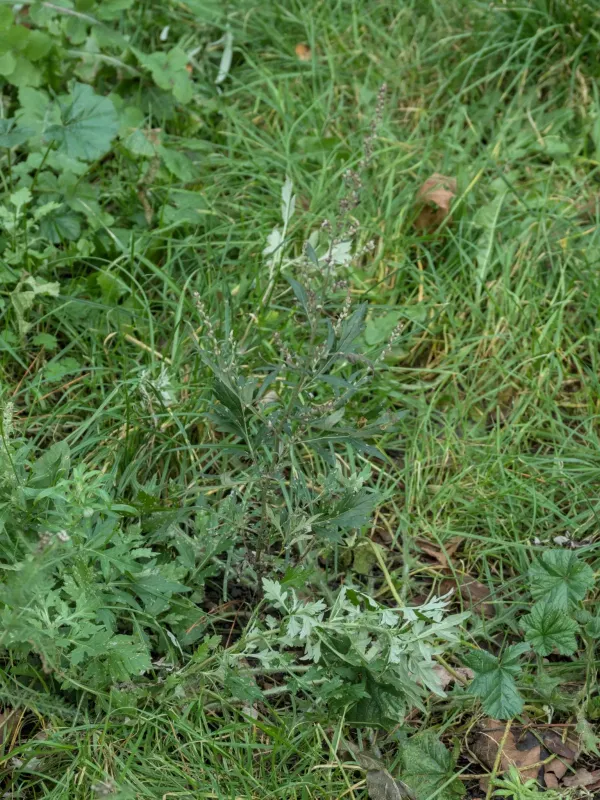
Description
Growing requirements
Mugwort (Artemisia vulgaris L.) is a perennial herbaceous plant belonging to the Asteraceae family. Known for its robustness, it is widely distributed across temperate regions of the Northern Hemisphere, showing great adaptability to various environmental conditions.
The plant thrives best in well-drained, fertile loamy or sandy soils with a neutral pH. However, its expansive and aggressive root system allows it to persist even in nutrient-poor and marginal soils, making it a highly reliable species for various landscapes.
As a sun-loving species, Artemisia vulgaris requires full sun exposure to produce high-quality foliage and essential oils. Adequate light is crucial for the development of its aromatic secondary metabolites, which are the main focus for its industrial and medicinal utilization.
Botanically, mugwort is characterized by its tall, branched stems that can reach heights of up to 2 meters, and leaves that feature a dark green top and a silvery-white, tomentose underside. This distinct coloration is a signature trait of the species.
The economic value of mugwort lies primarily in its application as a medicinal herb, culinary flavoring, and in the production of herbal teas and tinctures. Its historical significance and modern interest in herbal medicine ensure a steady demand for this crop.
Main diseases and pests
Common issues include powdery mildew, which can develop in dense plantings or during periods of high humidity. Improving air circulation by adjusting plant spacing is the primary method of preventing the spread of this fungal pathogen.
Aphids and various leaf-feeding beetles are the most frequent pests. Integrated pest management strategies, focusing on biological controls and manual removal, are preferred to maintain the quality and organic status of the harvested botanical material.
Root rot is rarely an issue unless the soil is consistently waterlogged. Selecting well-draining fields is the best preventive measure. Proper site selection effectively mitigates the risk of root diseases associated with anaerobic soil conditions.
Rust infections can occur during particularly cool and rainy seasons. Constant monitoring of the leaves during the growth phase allows for early intervention, though large-scale chemical intervention is typically discouraged for this crop.
Crop rotation remains the best agricultural practice to avoid the buildup of soil-borne pathogens. Rotating mugwort with nitrogen-fixing legumes can help maintain soil health and support the long-term productivity of the plantation.
Harvesting
The harvest phase occurs during the peak flowering stage, usually in mid-summer. This timing is essential to ensure that the chemical profile of the plant, including its volatile oils, is at its optimal concentration for processing.
Mechanized harvesting involves mowing the top 30 centimeters of the plant. It is important to avoid harvesting the lower, woody portions of the stem, as they contribute minimal value and can negatively affect the final product's quality.
Post-harvest processing involves rapid drying in shaded, well-ventilated areas or specialized temperature-controlled drying cabinets. Temperatures should remain moderate, as high heat can dissipate the volatile compounds responsible for the plant's aroma.
Typical yields for managed mugwort fields range from 1.5 to 3 tons of dried material per hectare. With proper care, these fields can remain productive for many years, offering a sustainable source of raw materials for various industries.
Once dried, the product should be stored in cool, dark, and moisture-free environments to maintain its potency. Proper storage containers prevent contamination and ensure the product remains viable for its intended pharmacological or culinary use.