
Spiked wormwood
Artemisia umbelliformis Lam. subsp. eriantha (Ten.) Vallès-Xirau & Oliva Brañas
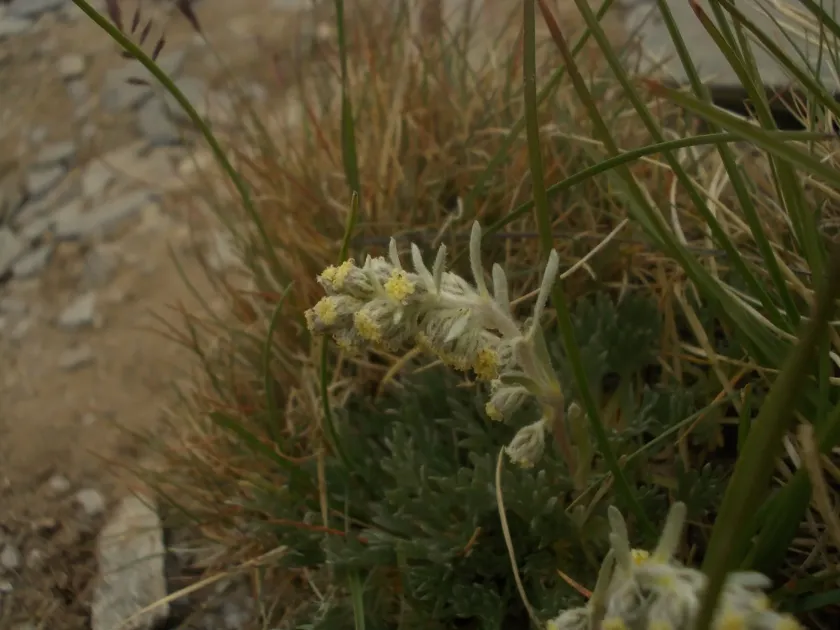
Description
Growing requirements
Spiked wormwood, scientifically known as Artemisia umbelliformis, is a perennial herbaceous plant belonging to the Asteraceae family. It is native to the high-altitude rocky slopes of the Alps and the Apennines, where it grows in nutrient-poor and mineral-rich soils.
The plant requires exceptional drainage to survive, as it is highly sensitive to root asphyxiation caused by waterlogged soil. It thrives best in stony, calcareous soils that mirror the conditions of alpine environments where it naturally persists.
Exposure to full sun is critical for the development of its aromatic profile and the production of essential oils. Due to its alpine origin, the plant possesses a remarkable tolerance for low temperatures and persistent mountain winds.
In agricultural practice, cultivation involves minimal intervention regarding fertilization, as excessive nutrients can negatively impact the concentration of secondary metabolites in the plant tissues.
Economically, it is highly valued in the beverage industry for producing high-quality herbal spirits and liqueurs, as well as in traditional medicine for its digestive and antiseptic properties.
Main diseases and pests
Root rot is the primary physiological and pathological threat to Spiked wormwood when cultivated at lower altitudes with inadequate drainage systems.
Powdery mildew represents a significant fungal threat, especially during seasons with high humidity or poor air circulation around the plants.
Pests such as aphids can colonize the foliage during the spring growth phase, potentially stunting development and reducing the quality of the harvested aerial parts.
Soil-dwelling insects can cause localized damage to the root collar, creating entry points for opportunistic soil-borne diseases.
Successful pest and disease management relies on maintaining high plant spacing, ensuring rapid water drainage, and monitoring the crops closely during the peak growing season.