
Maui wormwood
Artemisia mauiensis (A. Gray) Skottsb.
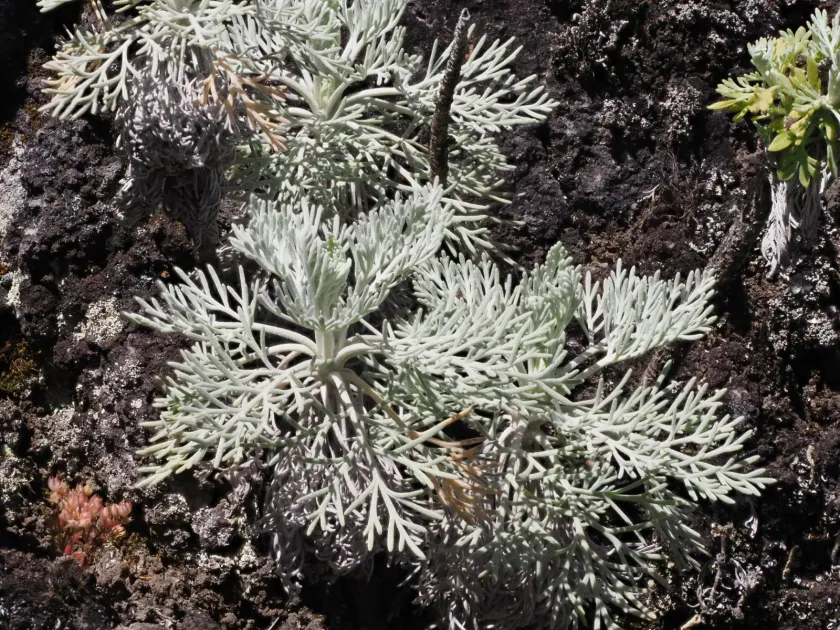
Description
Growing requirements
Maui wormwood (Artemisia mauiensis) is a rare member of the Asteraceae family, endemic to the Hawaiian Islands. This perennial subshrub is evolutionarily adapted to the high-altitude landscapes of Maui, thriving in rocky substrates with excellent drainage.
Proper development of this crop requires access to direct sunlight and optimal air circulation. In its native habitat, the plant occupies open sites where light exposure remains intense throughout the day.
The crop has strict soil moisture requirements. It is highly sensitive to waterlogging, necessitating the use of neutral to slightly alkaline, highly permeable soil to ensure root health.
The climate regime suitable for this species features moderate temperatures with significant diurnal shifts. The plant is drought-tolerant, owing to its xerophytic leaves covered in dense silvery trichomes.
Cultivation techniques emphasize the mineral composition of the soil. Maui wormwood responds best to low-organic substrates that mimic volcanic soils, which helps prevent root rot and other moisture-related diseases.
Main diseases and pests
The primary threat to both wild populations and cultivated stands is fungal infections that thrive in conditions of high humidity and poor air movement.
Pests common to this species include sap-sucking insects like aphids and spider mites, which can infest tender shoots and foliage, especially in protected or indoor settings.
Invasive weed species compete aggressively for nutrients, potentially displacing the slow-growing wormwood plants in managed agricultural areas.
Soil compaction significantly impairs the root system, making regular, shallow cultivation of the topsoil essential without damaging the sensitive root structure.
Over-application of nitrogen fertilizers causes excessive vegetative growth, which compromises the plant's overall resilience against pathogens and environmental stressors.