
Sea wormwood
Artemisia maritima L.
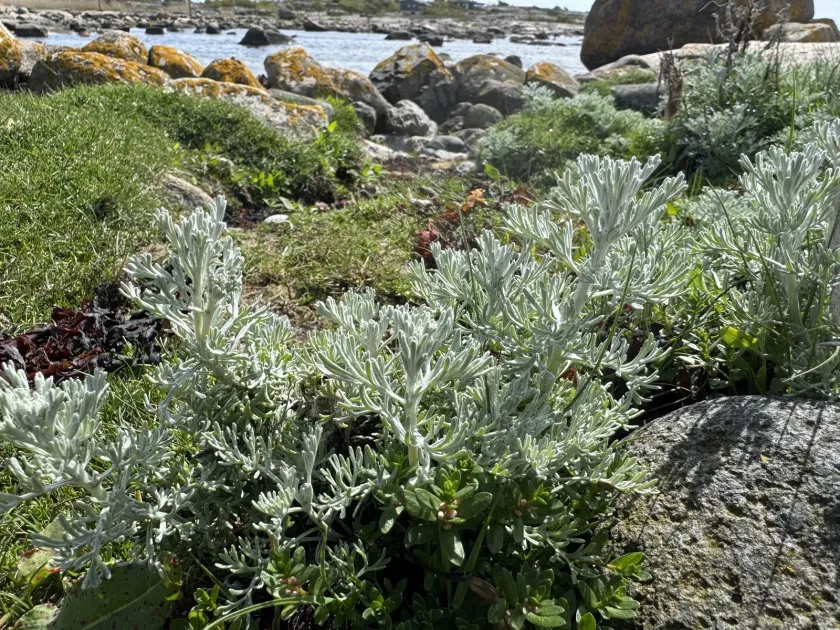
Description
Sowing dates
Sea wormwood (Artemisia maritima L.) is a perennial subshrub belonging to the Asteraceae family, valued for its medicinal properties and oil content.
Sowing in agricultural settings typically occurs in early spring once soil temperatures reach a consistent 10 degrees Celsius for optimal germination.
Seed stratification is recommended to break dormancy and ensure uniform emergence, which is critical for efficient crop management later in the season.
Rows should be spaced approximately 50 to 60 centimeters apart to facilitate mechanical weeding and ensure adequate space for each individual plant.
Due to the small size of the seeds, they should be placed at a shallow depth of no more than 1 centimeter and lightly covered with loose soil.
Growing requirements
Sea wormwood is highly adaptable to saline and coastal soils, making it an excellent candidate for agricultural use in challenging environments.
The plant thrives in full sunlight, which is necessary for the development of essential oils within the leaves and flowers of the subshrub.
Although it is drought-tolerant, it requires good drainage as it is susceptible to root rot if water stagnates in the root zone for extended periods.
The ideal soil type is sandy loam or calcareous substrate, providing the necessary minerals that support the plant's metabolic health and vigor.
Periodic soil testing is advised to ensure proper pH balance, as extreme alkalinity or acidity can reduce the concentration of active chemical compounds.
Yield
Yields of sea wormwood are determined by plant maturity and the quality of maintenance practices applied during the early vegetative stages.
A established plantation reaches peak productivity between its third and fifth year, providing a consistent supply of harvestable biomass.
Producers can expect an average yield of 1.5 to 2 tons of dried material per hectare, depending on local environmental conditions and soil fertility.
Essential oil extraction efficacy is tied to the timing of the harvest; gathering the crop at the peak of flowering maximizes oil recovery rates.
Consistent pruning of the bushes helps maintain a youthful growth habit, preventing the woodiness that typically reduces total yield in older plants.
Main diseases and pests
The most common issues affecting this crop include powdery mildew and various rust fungi, which are often exacerbated by poor air circulation.
Pests such as aphids and wormwood leaf-miners can cause damage to tender leaves, reducing both the aesthetic and chemical quality of the harvest.
- Implement proper crop rotation strategies every 5 to 7 years to disrupt the life cycles of common field pests.
- Ensure wide spacing to improve canopy ventilation, which naturally suppresses fungal growth.
- Apply biological control agents early in the season to mitigate pest pressure without harming the environment.
Water management is critical; avoiding over-irrigation prevents the development of favorable conditions for most soil-borne fungal pathogens.
Regular inspections of the undersides of leaves can help detect early signs of infestation, allowing for targeted intervention before spreading occurs.
Harvesting
The harvesting process begins during full bloom, as the concentration of medicinal compounds is at its highest at this specific developmental stage.
Stems are typically cut several centimeters above the base to encourage regrowth and ensure the longevity of the plant for future harvest cycles.
Immediate post-harvest processing is required, including transportation to drying facilities to prevent oxidation and loss of volatile aromatic compounds.
Drying is best performed in dark, well-ventilated rooms at controlled temperatures between 35 and 40 degrees Celsius to preserve high quality.
Once dried, the biomass is cleaned, stripped from larger stems, and stored in dry, cool conditions to maintain its shelf life for medicinal use.