
Armeria welwitschii
Armeria welwitschii
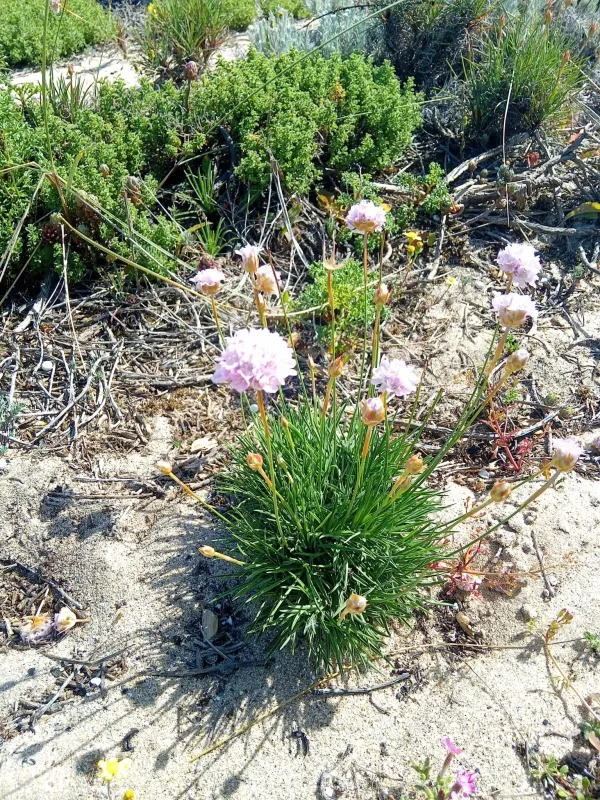
Description
Sowing dates
Seeds of Armeria welwitschii should be sown in the spring once the threat of frost has passed or in autumn in protected containers. The seeds require light to germinate, so they should be covered only very lightly with soil or pressed gently into the surface.
A stratified seed treatment can improve germination rates for this species. Providing a consistent temperature of about 20 degrees Celsius will encourage steady growth, with seedlings typically appearing within two to three weeks under optimal conditions.
When starting indoors, seedlings should be hardened off before transplanting into the garden. A spacing of at least 25-30 centimeters between individual plants is recommended to allow for healthy air circulation and root development.
Armeria welwitschii, a member of the Plumbaginaceae family, thrives in well-prepared, loose soil. It is essential to choose a site that is not prone to waterlogging to ensure the long-term success of the establishment phase.
For direct seeding in the garden, ensure the soil surface is kept consistently moist but not saturated. Using a fine mist spray can help prevent dislodging the small seeds during the sensitive initial germination period.
Growing requirements
This species requires full sun exposure to flourish. While it can tolerate partial shade, insufficient light will lead to spindly stems, fewer blooms, and a general loss of the plant's characteristic compact, mound-forming habit.
Soil requirements are relatively specific: the medium must be highly porous and well-drained. Sandy or gritty soils are ideal, as they mimic the natural habitats where this plant effectively manages its water and nutrient intake.
Armeria welwitschii is highly drought-tolerant once established. It is an excellent choice for rock gardens, gravel beds, or xeriscaping projects where irrigation might be limited, provided the drainage is impeccable.
The plant is tolerant of a wide range of soil pH levels but performs best in neutral to slightly acidic conditions. It generally does not require heavy fertilization; in fact, over-fertilizing can lead to excessive leaf growth at the expense of floral production.
Winter maintenance involves keeping the rosettes free of decaying leaf litter. In areas with extremely harsh winters, a light layer of mulch can provide protection, though the plant is generally hardy enough to withstand moderate frost.
Main diseases and pests
The primary threat to the health of Armeria welwitschii is root rot caused by poor soil drainage. Ensuring that the site remains free of standing water is the most critical factor in preventing fungal infections of the crown.
Aphids can occasionally cluster on the flower stalks during the peak growing season. Regular monitoring and the application of insecticidal soaps or neem oil are usually sufficient to control these populations without harming the plant.
Fungal leaf spot diseases may appear if there is high humidity coupled with poor air circulation. Pruning away affected foliage and applying a copper-based fungicide can help contain the spread of the pathogen.
Slugs and snails may feed on the young foliage during wet springs. Using physical barriers such as copper tape or crushed gravel around the base of the plant can significantly deter these pests from reaching the leaves.
Nematode infestations can lead to stunted growth and yellowing of the foliage. Proper site preparation and the avoidance of planting in infested areas are key strategies for maintaining a healthy and vigorous garden patch.