
Armeria berlengensis
Armeria berlengensis
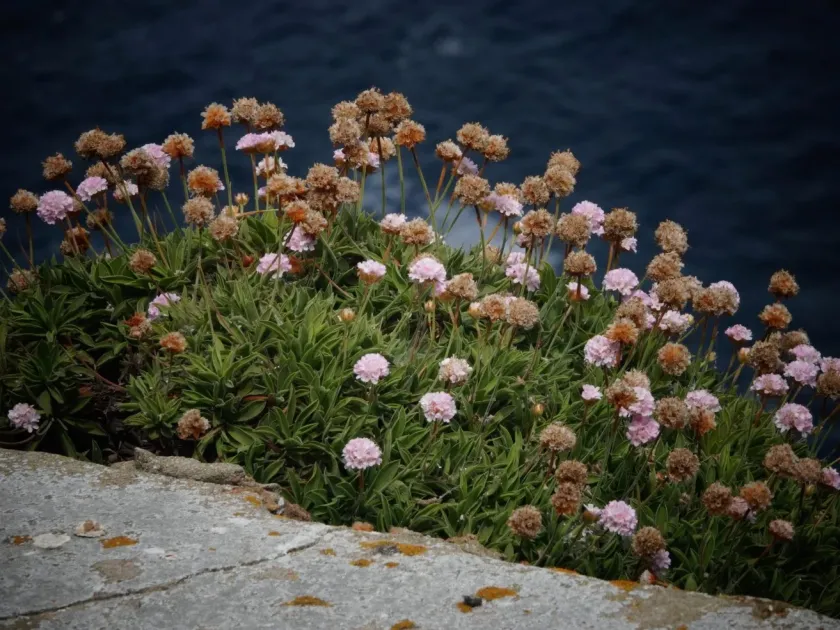
Description
Growing requirements
Armeria berlengensis is a distinct species of perennial plant belonging to the Plumbaginaceae family, native to the remote Berlenga archipelago in Portugal.
This species is highly specialized to survive in coastal environments, characterized by shallow soils, high wind exposure, and periodic salt spray from the ocean.
In cultivation, the plant requires excellent drainage and a sandy, gritty substrate to prevent root asphyxiation, which is common in more fertile garden soils.
The plant demonstrates high adaptability to full sun exposure, which is essential for maintaining its compact growth habit and encouraging vigorous blooming.
When selecting a location for Armeria berlengensis, gardeners should prioritize sites that mimic their native rocky slopes or dry, well-aerated crevices.
Main diseases and pests
The most significant threat to the health of Armeria berlengensis is root rot, which typically develops when soil moisture levels remain too high for extended periods.
Fungal pathogens can quickly compromise the plant's structure if humidity levels are not controlled, especially in regions with high seasonal rainfall.
Pests such as aphids and spider mites may occasionally infest the plant, necessitating regular inspections during the active growing season.
Competition from aggressive weeds must be minimized, as this slow-growing plant lacks the vigor to survive if smothered by faster-growing vegetation.
Proper airflow is critical to minimizing the risk of powdery mildew and other airborne diseases, ensuring the long-term survival of the plant in garden settings.