
Armeria bubanii
Armeria bubanii
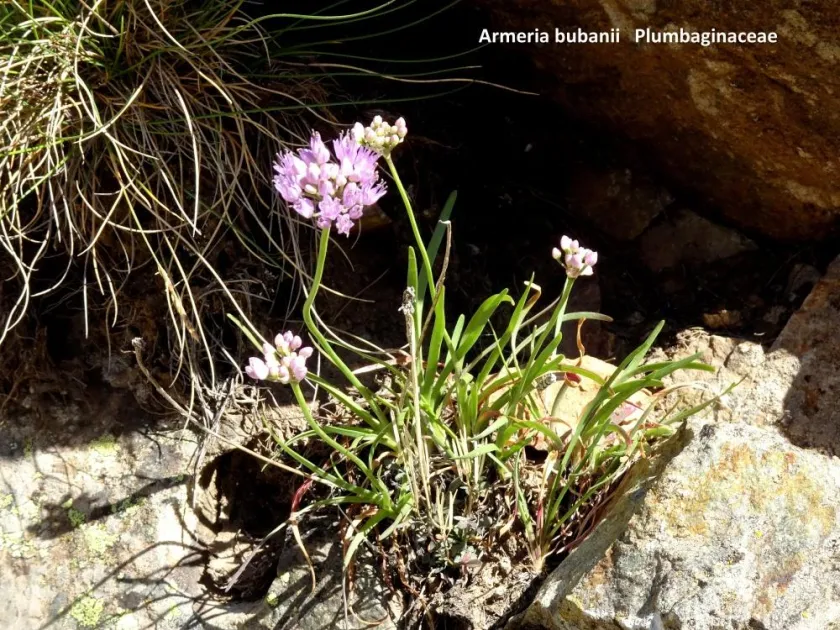
Description
Sowing dates
Sowing of Armeria bubanii seeds is best performed in late spring, once the threat of frost has passed, or during autumn in October. The optimal temperature for seed germination ranges between 18 and 20 degrees Celsius.
When propagating via indoor seedlings, seeds should be sown in February or March into a lightweight, airy substrate. Containers should be kept in a well-lit area with moderate watering to prevent the soil from drying out.
Prior to sowing, it is highly recommended to stratify seeds for two to three weeks at cold temperatures. This process significantly improves germination rates and ensures more uniform seedling emergence.
Pricking out the seedlings into individual pots is performed once the first two true leaves have developed. Once the plants reach the 4–5 leaf stage, they are ready for transplanting into a permanent location such as a flower bed or rock garden.
The planting distance between individual plants should be maintained at 20 to 30 centimeters. This spacing is crucial to ensure adequate air circulation and to prevent fungal issues within the leaf rosettes.
Growing requirements
Armeria bubanii is a perennial plant belonging to the Plumbaginaceae family, originating from the mountainous regions of the Pyrenees. This species thrives in sunny locations, as shading significantly reduces its ornamental value.
The plant has modest soil requirements but performs best in well-drained, sandy, or rocky soils with a neutral or slightly acidic pH. Water stagnation near the roots is detrimental and must be avoided at all costs.
The culture exhibits high winter hardiness characteristic of high-altitude flora. However, in regions prone to frost without reliable snow cover, it is advisable to provide light protection using pine branches or dry leaves.
Regular but moderate watering during dry spells is essential. Excess soil moisture often leads to collar rot, making the inclusion of a high-quality drainage layer during planting a mandatory requirement for success.
Soil preparation involves applying a small amount of balanced mineral fertilizer in early spring at the start of the vegetative phase. Over-fertilization with nitrogen should be avoided, as it encourages excessive foliage growth at the expense of flower production.
Main diseases and pests
The primary threats to Armeria bubanii are fungal diseases triggered by excessive moisture and poor air movement. Root rot is the most common issue, typically affecting the lower portions of the plant rosette.
In high humidity environments, plants may become susceptible to leaf spots. Prevention relies on adhering to proper irrigation schedules and avoiding overcrowding, which hinders effective moisture evaporation from the foliage.
Regarding pests, aphids pose the greatest risk, often colonizing the flower stalks to feed on sap. Management of these pests is effectively handled through the application of systemic insecticides when necessary.
During dry seasons, if preventative measures are neglected, spider mite infestations may occur. Regular monitoring of the foliage allows for early detection, which is vital to preventing the spread of these pests across the garden.
Maintaining a healthy garden involves the timely removal of spent flower heads and dead leaves. This practice minimizes the accumulation of pathogens and ensures the plant remains aesthetically pleasing throughout the entire growing season.