
Armeria canescens
Armeria canescens
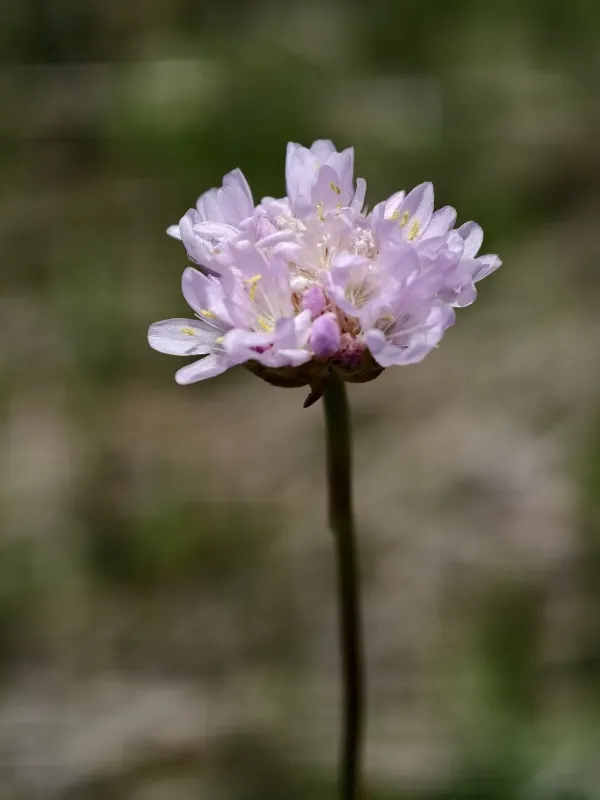
Description
Sowing dates
Armeria canescens is a perennial herbaceous plant belonging to the Plumbaginaceae family. Propagation is primarily achieved through seeds, which can be sown outdoors in spring or in protected environments during late winter.
For indoor sowing, seeds are placed on the surface of a light, sandy substrate in February or March. Light exposure is essential for successful germination, so the seeds should only be lightly pressed into the soil without burying them deep.
Germination typically occurs within 14 to 21 days at temperatures ranging from 18 to 20 degrees Celsius. Seedlings are delicate and require consistent moisture and good air circulation to prevent damping-off disease.
Pricking out the seedlings into individual pots is performed once the second true leaf has developed. This allows the root system to strengthen before transplanting the young plants into the garden.
Transplanting to the permanent location in the garden should take place in late spring, once the threat of frost has passed. Plants should be spaced 20–30 cm apart to ensure adequate airflow around the basal rosettes.
Growing requirements
Originating from Mediterranean and mountain regions, Armeria canescens thrives in well-drained, sandy, or rocky soils. Its primary requirement is excellent drainage, as the plant is highly susceptible to root rot in saturated conditions.
The ideal soil pH is neutral or slightly acidic. Avoid heavy clay soils, as they tend to hold excessive moisture during winter, which can lead to the plant's decline. Incorporating grit or coarse sand into the planting hole is highly recommended.
This species is highly heliophilic, meaning it requires full sun exposure to maintain its compact, tufted growth habit. In shaded environments, the plants tend to become leggy and produce fewer flowers.
The plant is noted for its exceptional drought tolerance once established. Minimal irrigation is required during the growing season, making it an excellent choice for low-maintenance xeriscaping or rock garden projects.
While the plant is hardy, it benefits from good winter drainage. In cold regions, protecting the crown from excessive moisture by applying a layer of coarse mulch or grit around the base is an effective cultural practice.
Main diseases and pests
The most significant threat to the health of Armeria canescens is fungal decay of the root system. This usually occurs due to poor soil drainage or over-irrigation, especially during humid or rainy seasons.
Powdery mildew can occur in dense plantings where air circulation is restricted. This fungal infection creates a white, dusty layer on the leaves, weakening the plant and reducing its overall aesthetic appeal.
Aphids can cause damage by colonizing the flowering stems and buds, feeding on plant sap. Early detection and the use of targeted treatments are crucial to prevent the spread of these insects throughout the garden.
Maintenance practices, such as removing dead foliage from the base of the plant, are vital for disease prevention. Accumulated debris creates a moist microclimate that invites pathogens and pests.
Proactive monitoring and providing a well-ventilated location are the best strategies to maintain the health of the plant. Healthy specimens grown under appropriate conditions typically show strong natural resistance to major pests.