
Armeria arenaria
Armeria arenaria
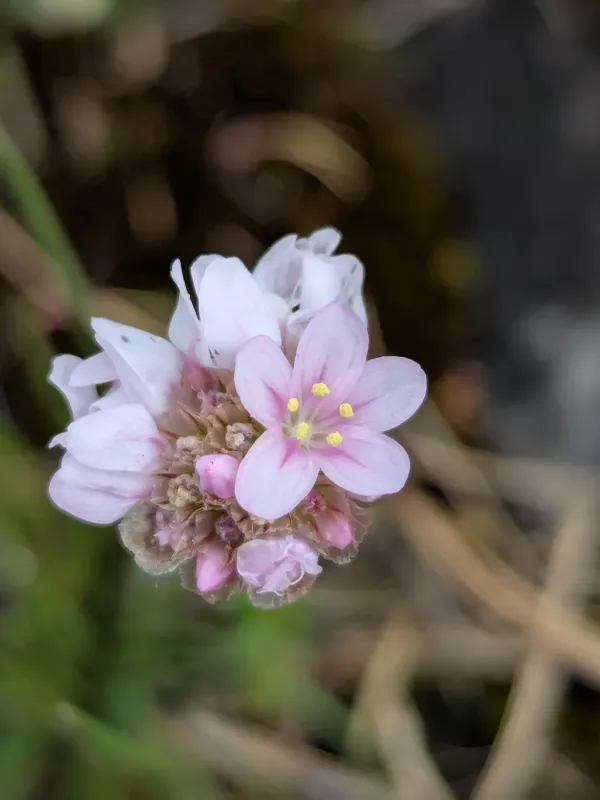
Description
Sowing dates
Sowing Armeria arenaria seeds should ideally take place in early spring, specifically during March or April, if starting the plants in a greenhouse.
For direct seeding into the outdoor environment, the soil must be well-warmed, with temperatures consistently above 15°C, usually occurring in late spring.
The seeds benefit significantly from a brief cold stratification period of about two weeks, which helps break dormancy and ensures a higher germination rate.
It is crucial to sow the seeds shallowly, covering them with no more than 0.5 cm of soil, as light is essential for successful seedling development.
Once seedlings have reached the two-leaf stage, they should be transplanted or thinned to a spacing of 25–30 cm to allow for proper airflow.
Growing requirements
Armeria arenaria is a member of the Plumbaginaceae family, naturally adapted to sandy, nutrient-poor environments where drainage is rapid.
The plant demands full sun exposure to maintain its compact growth habit; low light levels lead to etiolation and a loss of aesthetic value.
Ideal soil for this species should be slightly acidic, sandy, or gritty, ensuring that the root system never stays in waterlogged conditions for extended periods.
This species is notably drought-tolerant, requiring minimal supplemental irrigation once established, which makes it an excellent choice for xeriscaping.
The plant exhibits high resilience to coastal winds and salinity, reflecting its native habitat along European sand dunes and coastal stretches.
Main diseases and pests
The most significant threat to the health of Armeria arenaria is root rot, typically caused by excessive soil moisture or poor drainage during wet seasons.
Fungal leaf spots can occur when the plant is kept in conditions with high humidity and insufficient air circulation between the dense, grass-like leaves.
Aphids are the most common pests, often clustering on the flowering stems and sapping nutrients, which can stunt the overall growth of the plant.
Root nematodes may affect plants grown in heavier, more compact soils, causing a gradual decline in the vigor and lifespan of the perennial.
To mitigate these threats, gardeners should ensure good soil structure, avoid over-watering, and prune any damaged foliage to improve air movement.
Harvesting
In terms of agricultural and horticultural management, harvesting Armeria arenaria focuses on seed collection and maintenance pruning after flowering.
Seeds should be collected gradually as they mature; since maturation is uneven, careful monitoring is required throughout the late summer period.
Regular removal of spent flower stalks is highly recommended, as it prevents the plant from diverting energy into seed production and encourages more foliage density.
For ornamental purposes, stalks can be harvested for drying, provided they are cut just before the flowers fully fade and dried in a dark, ventilated room.
Before winter, gardeners should clear away dead or diseased foliage to prevent the development of mold, ensuring the plant remains healthy for the next season.