
Armeria beirana
Armeria beirana
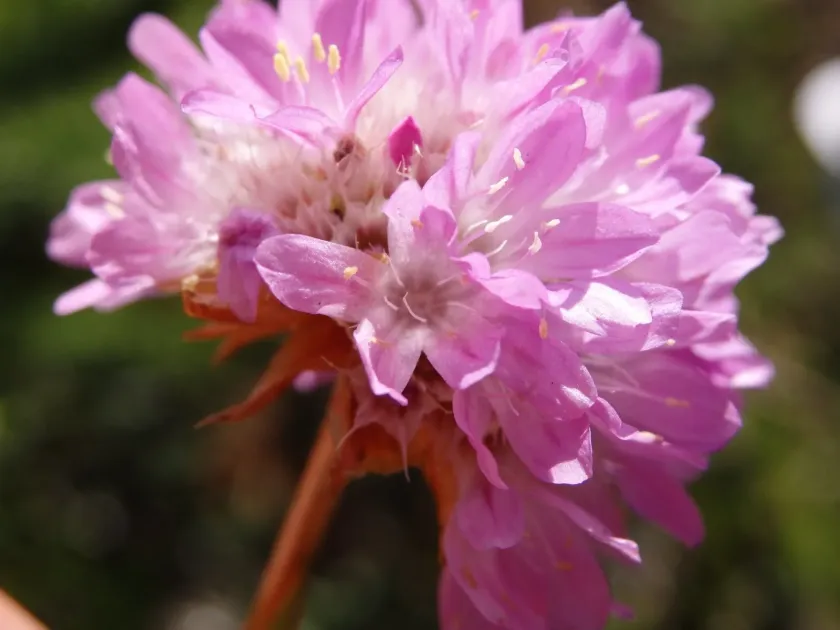
Description
Sowing dates
Armeria beirana is a perennial herbaceous plant belonging to the Plumbaginaceae family. Seeds are typically sown in the spring once the ground has warmed, or in late autumn to benefit from natural cold stratification, which improves germination rates.
Before sowing, it is recommended to soak the seeds in warm water or a growth stimulator for several hours. They should be surface-sown in a light, sandy substrate and covered with a very thin layer of fine grit or soil to ensure they receive enough light.
Germination can be a slow process, so it is crucial to keep the substrate consistently moist but not waterlogged until the first true leaves emerge. Once the seedlings are robust enough, they can be transplanted into individual pots to develop their root systems.
For vegetative propagation, dividing the clumps is the most effective method. This is best carried out in late summer or early autumn, allowing the plants to establish before the onset of winter dormancy.
Spacing should be managed carefully to ensure good airflow between the plants, which is vital for preventing rot, especially when creating rock gardens or mass plantings.
Growing requirements
Native to the mountainous regions of the Iberian Peninsula, Armeria beirana thrives in sunny, open locations. Exposure to direct sunlight is essential for the plant to maintain its compact, tufted habit and to produce abundant flowers.
The plant requires extremely well-draining soil, such as sandy, gritty, or rocky substrates. It is highly sensitive to moisture retention, and therefore, drainage is the most important factor in its cultivation success.
Ideally, the soil should have a neutral to slightly acidic pH level. In its natural habitat, the plant grows in poor soils, so over-fertilization should be avoided, as it can lead to weak, elongated growth that is prone to disease.
Climate-wise, it prefers moderate humidity and good air circulation. While it is quite hardy, it appreciates a sheltered spot in regions with severe, damp winters, where a layer of grit around the crown can protect it from excessive moisture.
Watering should be approached with caution. During dry spells, water at the base of the plant only, avoiding the foliage, as stagnant water in the center of the dense rosettes can cause rapid fungal rot.
Main diseases and pests
The primary threat to Armeria beirana is fungal crown rot, often caused by inadequate soil drainage or high humidity combined with poor airflow. Affected plants will show signs of wilting and decay at the base.
Pests such as aphids and spider mites may occasionally infest the plants, particularly during dry and hot periods. Regular monitoring of the underside of the leaves is necessary to catch infestations early.
Fungicides can be used if rot is detected, but the most effective strategy is strictly preventative. Proper irrigation practices and ensuring that the planting site has excellent drainage remain the best defense against disease.
Maintaining the garden area free of debris and dead plant material helps to discourage pathogens. Keeping the plants healthy through proper site selection minimizes the need for chemical intervention.
- Use gravel mulching to prevent leaf contact with wet soil.
- Deadhead spent flower stalks to redirect energy.
- Ensure the planting site is on a slope or a raised bed for best results.