
Armeria villosa
Armeria villosa
Description
Growing requirements
Armeria villosa is a perennial herbaceous plant belonging to the Plumbaginaceae family. Native to the Iberian Peninsula, this plant is naturally adapted to rocky, arid terrains, reflecting its resilience to harsh environmental conditions.
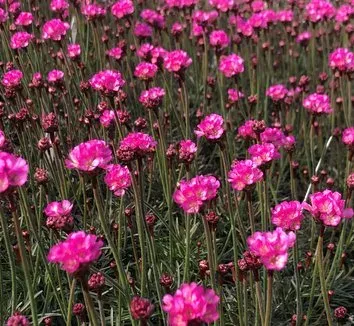
The plant exhibits a compact growth habit, characterized by dense basal rosettes of narrow, linear, and often slightly hairy leaves. During the blooming season, it produces slender flower stalks topped with dense, rounded heads of attractive, small pink or whitish flowers.
Optimal growth requires full sun exposure; shade-grown specimens often become leggy and fail to produce a vibrant display of flowers. It is highly drought-tolerant once established and thrives in conditions that would cause more demanding species to wilt.
Soil requirements are strict regarding drainage. Sandy, gritty, or gravelly soils with a neutral to slightly acidic pH are ideal. Heavy soils should be amended with substantial drainage material to prevent root suffocation and crown rot.
In landscaping, Armeria villosa is a staple for rock gardens, gravel beds, and xeriscaping projects. Its ability to tolerate poor soils and dry conditions makes it an excellent choice for low-maintenance garden designs and coastal garden plantings.
Main diseases and pests
Fungal diseases related to excessive moisture are the primary threat to this species. Root rot and damping-off are common issues when plants are grown in poorly draining soils or during periods of prolonged high humidity.
Pests such as aphids and spider mites can occasionally infest the flower heads and foliage, weakening the plant. Spider mites are particularly problematic during hot, dry summer spells when the plant is stressed by lack of moisture.
Effective management begins with cultural control: ensuring adequate spacing between plants to promote airflow and keeping the planting area free of debris that could harbor fungal spores or insect eggs.
For chemical control, targeted insecticides should be applied only when necessary. Careful monitoring is recommended to spot early signs of infestation, allowing for localized treatment rather than full-garden spraying.
Maintaining a clean, well-draining environment is the best defense against threats. Avoid overhead irrigation during late afternoons, as foliage remaining wet overnight increases the risk of foliar fungal development.