
Armeria velutina
Armeria velutina
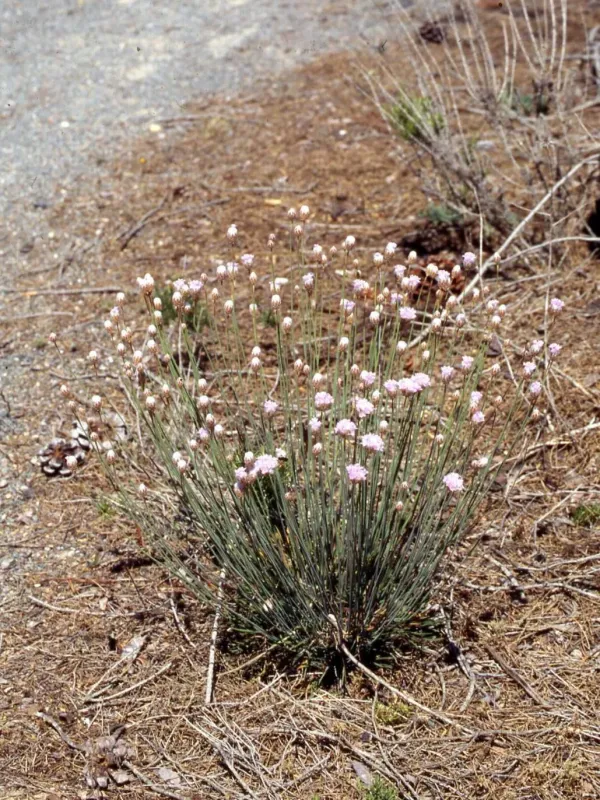
Description
Sowing dates
The sowing of Armeria velutina seeds usually takes place in late winter or early spring in a controlled environment to ensure successful germination and seedling establishment.
It is recommended to sow seeds in sterile seed-starting mix, ensuring that they are lightly covered with substrate to allow sufficient light penetration, which is vital for sprouting.
Cold stratification of seeds for approximately two to three weeks prior to sowing often results in a higher germination rate and more uniform seedling growth across the tray.
Once the risk of frost has passed, seedlings can be transplanted into the outdoor garden, maintaining a spacing of at least 25 centimeters between individual plants.
Direct sowing in the garden is also an option for milder climates, provided the soil is well-prepared, weed-free, and has adequate drainage characteristics.
Growing requirements
Armeria velutina, a member of the Plumbaginaceae family, thrives in full sun exposure and requires a location that receives at least six to eight hours of direct light daily.
The ideal soil profile for this species includes sandy or gravelly textures that promote rapid water drainage, preventing moisture accumulation around the crown.
While the plant is remarkably drought-tolerant once established, supplemental irrigation during prolonged dry spells will help maintain its attractive, velvet-like foliage.
Avoid planting in heavy clay soils or areas with high lime content, as these conditions are detrimental to the health and longevity of this ornamental perennial.
The plant is highly adaptable to poor-quality soils, provided they are not excessively acidic or alkaline, making it a versatile choice for rock gardens and borders.
Main diseases and pests
Root rot represents the primary threat to Armeria velutina, typically caused by overwatering or soil conditions that prevent proper drainage during periods of heavy rain.
Fungal leaf spot diseases can occasionally occur under conditions of poor air circulation, necessitating the thinning of dense plantings to promote faster leaf drying.
Insect pests such as aphids and spider mites may target the plant during the height of the summer season, often attracted to plants under stress from excessive heat.
Integrated pest management strategies should be employed, focusing on regular monitoring and the use of horticultural soaps if infestation levels warrant control measures.
Maintaining a clean growing area by removing fallen plant debris helps reduce the population of potential pathogens and promotes overall garden sanitation.