
Armeria undulata
Armeria undulata
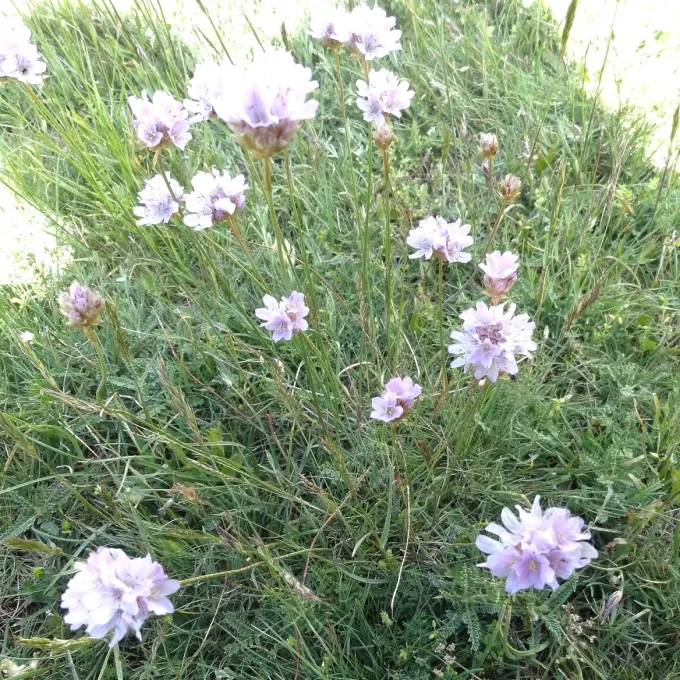
Description
Sowing dates
Sowing of Armeria undulata seeds can be performed in late autumn or early spring, as the plant responds well to natural cold stratification during winter months.
When starting indoors, seeds should be sown in trays filled with a well-draining seed-starting mix, ensuring the seeds are barely covered by soil to allow light exposure.
Germination typically occurs within two to three weeks if temperatures are maintained between 18 and 20 degrees Celsius in a bright location.
Once seedlings have developed at least two sets of true leaves, they should be carefully hardened off before being transplanted into their permanent outdoor site.
Spacing should be managed to ensure adequate air circulation between plants, preventing overcrowding which can lead to moisture retention and subsequent fungal issues.
Growing requirements
Armeria undulata, belonging to the Plumbaginaceae family, is a perennial plant known for its hardiness in various environmental conditions.
It thrives in full sun exposure, which is necessary for the development of its characteristic flower heads and maintaining a compact, healthy growth habit.
The plant is highly drought-tolerant and requires soils with excellent drainage, such as sandy, rocky, or gritty substrates, avoiding heavy clay environments.
It performs optimally in neutral to slightly acidic soil conditions and does not require heavy fertilization, as nutrient-rich soil often leads to leggy growth.
In terms of climate, it is well-suited for temperate regions, making it a perfect choice for rock gardens, coastal landscapes, and decorative gravel beds.
Main diseases and pests
The most significant threat to Armeria undulata is root rot, which is primarily caused by excessive soil moisture and poor drainage in the planting area.
Fungal infections, including powdery mildew, may affect the foliage during periods of high humidity or when plants are positioned with insufficient air movement.
Aphids can occasionally infest the plant, primarily targeting the flower stalks and young buds, which may result in stunted growth if not managed.
Effective control involves maintaining a disciplined watering schedule, ensuring the root zone dries out between irrigations, and utilizing fungicides if necessary.
Regular monitoring of the garden space and the timely removal of any decaying plant material are essential practices to ensure the longevity of your Armeria plantings.