
Armeria transmontana
Armeria transmontana
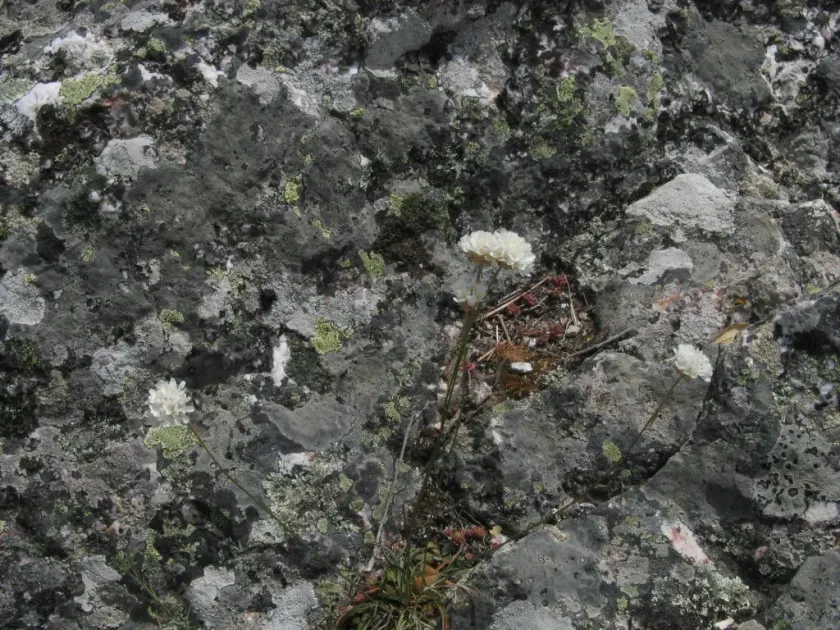
Description
Growing requirements
Armeria transmontana is a perennial herbaceous plant belonging to the Plumbaginaceae family. Native to the Iberian Peninsula, specifically Portugal and Spain, this species thrives in rocky terrains and dry, well-draining soils that reflect its adaptation to mountain environments.
The plant grows in dense, compact rosettes of narrow, grass-like foliage. During the blooming season, it produces upright stalks topped with globose heads of pink or purplish flowers. Its growth habit makes it an excellent choice for rock gardens and ground cover applications.
Regarding climate requirements, the species performs best in full sun exposure. While it is highly drought-tolerant once established, it requires consistent moisture during the initial phases of development. Protection from extreme humidity is crucial to maintain its health.
Soil management for Armeria transmontana should prioritize excellent drainage. It excels in sandy or rocky soils with neutral to slightly acidic pH levels. Incorporating gravel into the planting substrate is recommended to prevent waterlogging, which the plant cannot tolerate.
Agricultural management includes occasional deadheading of spent blossoms to encourage secondary growth. The plant is relatively low-maintenance, requiring little fertilizer, though a balanced application of nutrients in early spring can promote more vigorous flower production.
Main diseases and pests
The primary threats to Armeria transmontana are fungal infections associated with poor soil drainage. Root rot is the most common issue, often occurring when the plant is subjected to stagnant water or overly dense soil conditions that inhibit root respiration.
Preventive measures include ensuring adequate spacing between plants to allow for airflow and selecting planting sites with naturally high drainage. Fungicidal treatments should be applied only if symptoms persist and the source of excess moisture is corrected.
Insect pests, particularly aphids, can occasionally infest the flower stalks. These pests cause damage by sucking sap from the plant, potentially leading to stunted growth or the transmission of viral diseases if left unchecked.
Integrated pest management, including the use of neem oil or insecticidal soaps, is effective for controlling minor infestations. Regular scouting is recommended, especially in the spring and early summer when insect populations tend to be most active.
Finally, competition from invasive weeds is a significant risk for young plants. Consistent weeding or the use of organic mulch around the base of the plant helps maintain plant vigor and reduces the risk of stress-related susceptibility to diseases.