
Armeria ruscinonensis
Armeria ruscinonensis
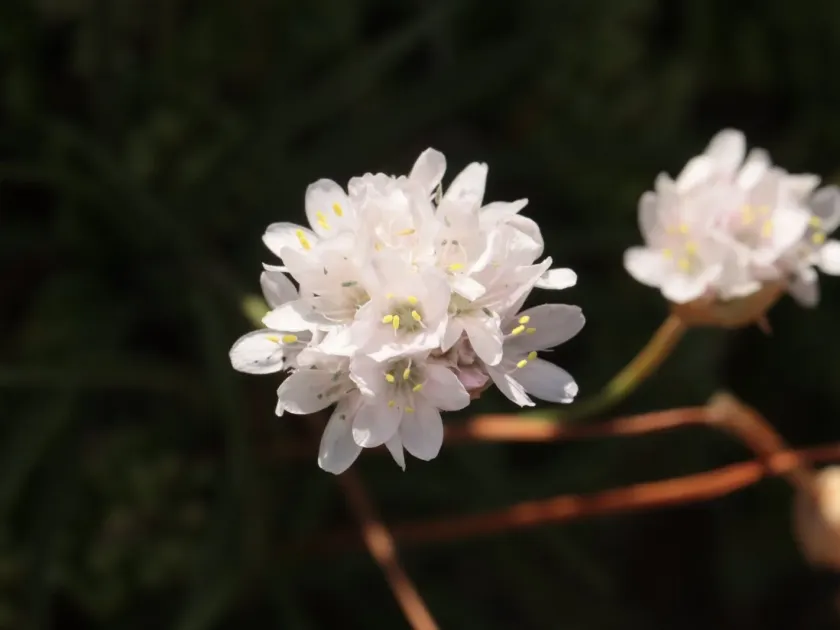
Description
Sowing dates
The sowing of Armeria ruscinonensis seeds is typically performed in late autumn, allowing the seeds to undergo natural winter stratification in the soil.
For regions with harsh winters, propagation via seedlings is preferred, starting the sowing process indoors in late February or early March to ensure a head start.
Seeds should be covered with only a very thin layer of substrate, as they require light to germinate efficiently, and should be kept moist but not saturated.
Pricking out the young seedlings into individual pots is essential once the first set of true leaves has formed, allowing for robust root development.
Transplanting into the permanent garden location should occur only after the risk of frost has passed, ensuring the plants have been properly hardened off.
Growing requirements
As a member of the Plumbaginaceae family, Armeria ruscinonensis thrives best in open, sun-drenched locations where it can fully display its decorative potential.
The plant requires well-draining, sandy, or gritty soil conditions, as it is highly sensitive to waterlogging which can lead to quick root decline.
It is remarkably drought-tolerant, making it an excellent choice for rock gardens, xeriscaping, or areas with poor nutrient levels where other plants struggle.
Soil acidity should be slightly acidic to neutral, as extreme alkalinity can hinder the uptake of micronutrients necessary for the plant's health.
Cultural maintenance involves the removal of spent flower stalks to encourage the plant to remain tidy and potentially produce secondary blooms during the season.
Main diseases and pests
Aphids are the most common pests affecting Armeria ruscinonensis, often congregating on the flower stalks and causing distortion of the growth.
Root rot, driven by fungi such as Phytophthora or Pythium, represents the primary threat when drainage is inadequate or when the soil remains constantly wet.
Pest management should involve regular inspections and the application of suitable insecticides only when populations exceed acceptable thresholds.
Fungal leaf spots can occur in humid climates with poor air circulation, necessitating the thinning of planting areas to allow better drying of the foliage.
Adherence to strict irrigation protocols, favoring bottom-watering or localized watering rather than overhead irrigation, helps mitigate disease pressure significantly.