
Armeria rumelica
Armeria rumelica
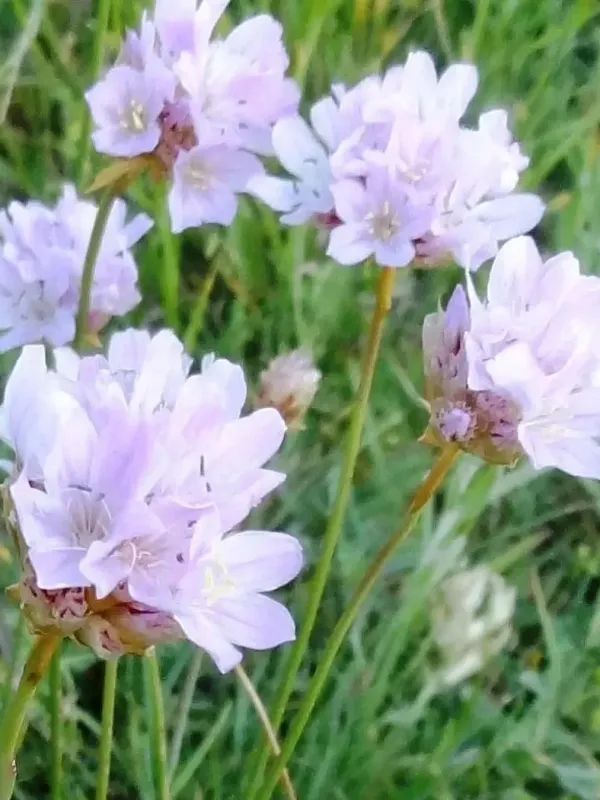
Description
Sowing dates
Armeria rumelica is typically propagated via seeds, which benefit from cold stratification to increase germination rates. Sowing in open ground should be carried out during early spring or late autumn when soil temperatures drop.
For container-grown seedlings, sowing is best done in late winter indoors. Seeds require a well-draining sterile potting mix and should be covered only very lightly, as light exposure can be beneficial for some germination processes.
Seedlings need to be transplanted once they reach the two-true-leaf stage. Care must be taken not to bury the crown of the young plant too deeply in the soil, as this encourages rotting during the early developmental phases.
When sowing directly into the garden, ensure the soil is finely tilled and free of aggressive weeds. Keeping the seedbed consistently moist but not waterlogged is crucial during the first weeks until the plants are well-established.
Division of mature clumps is an excellent way to maintain plant vigor. This process should be undertaken every three to four years, ideally after the main flowering period has concluded, allowing the divisions time to establish before winter.
Growing requirements
Belonging to the Plumbaginaceae family, Armeria rumelica is a hardy perennial adapted to rocky environments. It thrives in full sun, where it produces the most compact foliage and the highest density of flowering stems.
Soil requirements focus heavily on drainage; the species cannot tolerate heavy clay soils that retain moisture. A gritty, sandy, or rocky substrate is preferred to simulate the plant's natural habitat on mountain slopes.
Regarding water, Armeria rumelica is highly drought-tolerant once established. While young plants require regular moisture to develop a strong root system, mature clumps can survive long periods without supplemental watering in moderate climates.
Fertilizer use should be minimal. Excess nitrogen can lead to soft, succulent growth that is more susceptible to frost damage and fungal diseases. A lean soil environment keeps the plant compact and encourages better flowering.
The plant is frost-hardy and generally withstands winter conditions without special protection in most temperate zones. Ensuring the winter drainage is sufficient is far more important than providing physical insulation against the cold.
Main diseases and pests
The primary threat to the health of Armeria rumelica is excessive soil moisture, which often leads to crown rot. This condition is difficult to treat and is usually prevented by ensuring impeccable drainage during the initial planting phase.
Aphids can occasionally be a nuisance, particularly on the tender flower stalks. Regular monitoring during the peak blooming season allows for early intervention, often using simple horticultural soap sprays rather than harsh chemicals.
Leaf spot diseases may appear if the plants are crowded or if humidity levels remain consistently high without adequate airflow. Spacing plants properly is essential to allow the foliage to dry out quickly after rain.
Root nematodes can cause a decline in overall plant health, manifesting as stunted growth and yellowing foliage. Using clean soil and avoiding planting in the same spot repeatedly can help mitigate the risk of these soil-borne pests.
To ensure long-term health, avoid overhead watering, which promotes fungal growth on the leaves. Focus irrigation at the base of the plant only when necessary, and always remove any dead or decaying foliage to maintain a clean growing environment.