
Armeria rouyana
Armeria rouyana
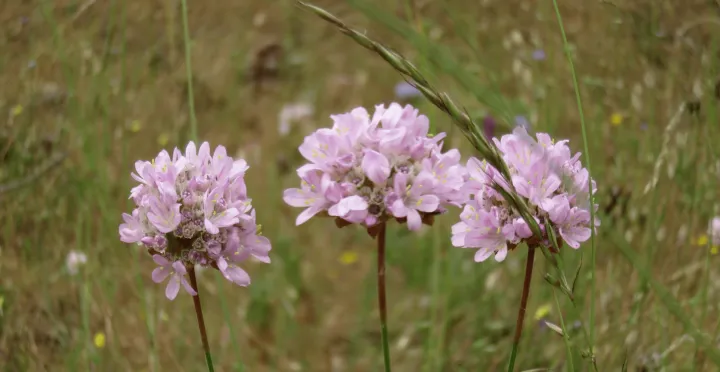
Description
Sowing dates
Seeds of Armeria rouyana are primarily sown in spring, during March or April, using a seedling method. The seeds are placed into a light, loose substrate in containers, maintaining a germination temperature of around 18–20 degrees Celsius.
To improve germination rates, it is recommended to stratify the seeds for 2–4 weeks in cool temperatures. This mimics natural environmental conditions and encourages more uniform seedling emergence.
Once the first two true leaves appear, the seedlings should be pricked out into individual pots or trays. Plants are transplanted into the open ground once the danger of night frost has passed, maintaining a spacing of 20–30 centimeters.
Winter sowing directly into the open ground is also permitted in regions with a mild climate. This allows the seeds to undergo natural hardening, which increases the hardiness of the young plants.
Dividing established clumps is an alternative propagation method, usually performed every 3–5 years after the flowering season ends. This helps maintain varietal characteristics and rejuvenates the plant.
Growing requirements
Armeria rouyana is a perennial herbaceous plant belonging to the Plumbaginaceae family, prized for its high ornamental value. In its natural habitat, it grows on sandy soils and rocky slopes in southwestern Europe.
The crop prefers open, sunny locations, as shading causes leggy growth and reduces the intensity of flowering. An important requirement is protection from harsh cold winds during the winter months.
Soils must be well-drained with a neutral to slightly acidic pH level. The plant is extremely sensitive to waterlogging, so creating a drainage layer of sand or gravel is essential in heavy clay-based soils.
Watering should be moderate and regular, especially during the active growth and flowering phases. Mature plants are quite drought-tolerant, although prolonged heat requires additional irrigation to preserve leaf turgor.
The plant responds well to mineral fertilizers, but excessive organic matter can lead to vigorous foliage growth at the expense of blooms. Apply a balanced fertilizer twice per season for optimal results.
Main diseases and pests
The primary threat to Armeria rouyana is waterlogged soil, which triggers root rot. If the first signs of decay appear, it is necessary to reduce irrigation frequency and treat the soil with fungicides.
Under conditions of high humidity and poor air circulation, plants may be susceptible to powdery mildew. For prevention, avoid overcrowded planting layouts and ensure good airflow around the clumps.
Among pests, aphids are occasionally found on the crop, as they suck sap from young buds and leaves. Combat them using suitable insecticides or soap solutions when infestation levels are low.
Sometimes, soil nematodes can damage the root system, causing stunted plant growth. In cases of severe infestation, affected plants should be removed and destroyed, followed by disinfection of the planting site.
To prevent the spread of diseases, it is important to follow garden hygiene practices: remove faded flower stalks promptly and clear away dead foliage that may serve as a breeding ground for pathogens.