
Sea thrift
Armeria purpurea
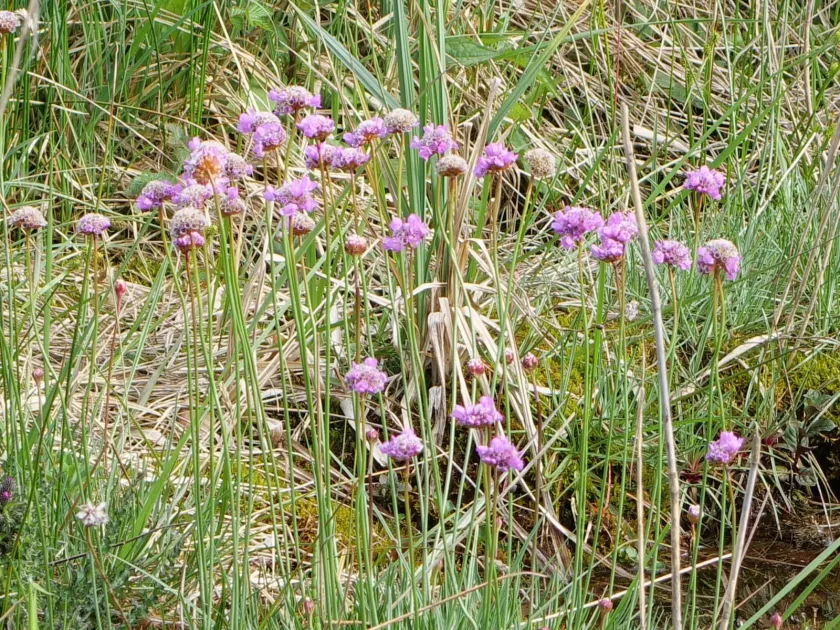
Description
Sowing dates
Sowing seeds of sea thrift in open ground is typically done before winter, as the seeds require a period of natural stratification to germinate effectively.
Spring sowing is possible in April or May, but it is highly recommended to artificially stratify the seeds in a refrigerator for 3–4 weeks prior to planting.
For container-grown seedlings, seeds should be sown in late winter or early spring, providing them with moderate temperatures and consistent moisture levels.
Pricking out the seedlings is performed once the first pair of true leaves appears, ensuring they have sufficient access to light to prevent stretching.
Transplanting into the permanent location in the garden should occur in May once the danger of frost has passed, maintaining a spacing of 20–30 cm between plants.
Growing requirements
Sea thrift is a perennial herbaceous plant belonging to the Plumbaginaceae family, natively found along the coastlines of Europe and North America.
The culture thrives in light, well-drained sandy or gritty soils, as excessive moisture accumulation can cause root rot and compromise plant vitality.
As a sun-loving and drought-tolerant species, it requires an open location with full sunlight to ensure optimal growth and prolific blooming during the season.
Agricultural practices involve minimal maintenance, such as regular weeding and loosening the topsoil to improve aeration around the root zone.
The plant is highly valued for its cold hardiness, making it an ideal choice for rock gardens, stone walls, and coastal-themed landscape designs.
Main diseases and pests
The primary threat to sea thrift is waterlogging, which often facilitates the onset of fungal pathogens, specifically those causing leaf spots and root rot.
In conditions with poor air circulation, plants may become susceptible to powdery mildew, which requires the application of appropriate fungicide treatments.
Common insect pests, including aphids and thrips, can damage tender young shoots and flower stalks, thereby reducing the plant's aesthetic appeal.
Proactive management includes ensuring adequate drainage, avoiding overcrowding during planting, and monitoring plants for early signs of infestation.
Regular visual inspections and the use of systemic insecticides are effective strategies for mitigating damage from common garden pests and diseases.