
Armeria pungens
Armeria pungens
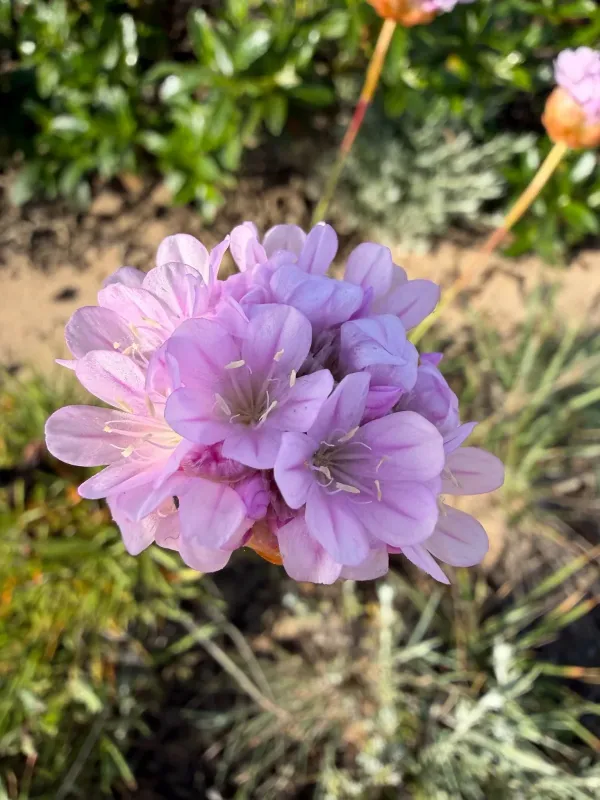
Description
Sowing dates
Sowing seeds of Armeria pungens is best accomplished in early spring, once the soil has warmed sufficiently for germination.
Prior to sowing, seeds often benefit from a brief period of cold stratification to break dormancy and ensure uniform seedling emergence.
When starting indoors, use a well-draining seed-starting mix and maintain bright light conditions to prevent the seedlings from becoming leggy.
Transplanting into the permanent location should occur after the risk of severe frost has passed to allow the root system to establish.
Proper spacing is crucial; maintaining at least 20-30 centimeters between plants promotes healthy airflow and reduces the risk of fungal growth.
Growing requirements
Armeria pungens is a sun-loving species that thrives in open, exposed locations where it receives full sunlight throughout the day.
The plant is highly adaptable to poor, sandy, or rocky soils, provided that the growing medium offers excellent internal drainage.
This species shows remarkable tolerance to coastal conditions, including salt spray and wind, making it ideal for seaside landscape design.
Watering requirements are relatively low; the plant is drought-tolerant once established and suffers significantly from waterlogged soil conditions.
Fertilization should be kept to a minimum, as excessive nutrients can result in soft, weak growth that is more susceptible to environmental stress.
Yield
The primary yield of this cultivation is its high-quality decorative floral display, typically appearing from late spring through mid-summer.
Each mature plant can produce numerous stiff, spiny-leaved rosettes topped with globe-shaped inflorescences that attract various pollinators.
To maximize the decorative output, gardeners are encouraged to deadhead spent blooms, which may promote a second flush of flowering.
Propagation through root division is a standard practice for maintaining vigorous yields in commercial nurseries and private gardens alike.
The plant’s longevity as a perennial ensures reliable aesthetic returns for several seasons with minimal maintenance once fully acclimated.
Main diseases and pests
Root rot remains the most serious threat to Armeria pungens, usually triggered by stagnant water in the soil or poor site drainage.
Aphids are the most common insect pests that can infest the floral stalks, potentially stunting growth and spreading viral infections.
Effective management includes maintaining a clean growing area and ensuring that plants are not overcrowded, which limits pest mobility.
Fungal leaf spots may appear under conditions of high humidity, necessitating the use of appropriate fungicides or improved ventilation strategies.
Managing soil moisture levels through careful irrigation is the primary defense against the majority of physiological and pathological threats.