
Armeria pubigera
Armeria pubigera
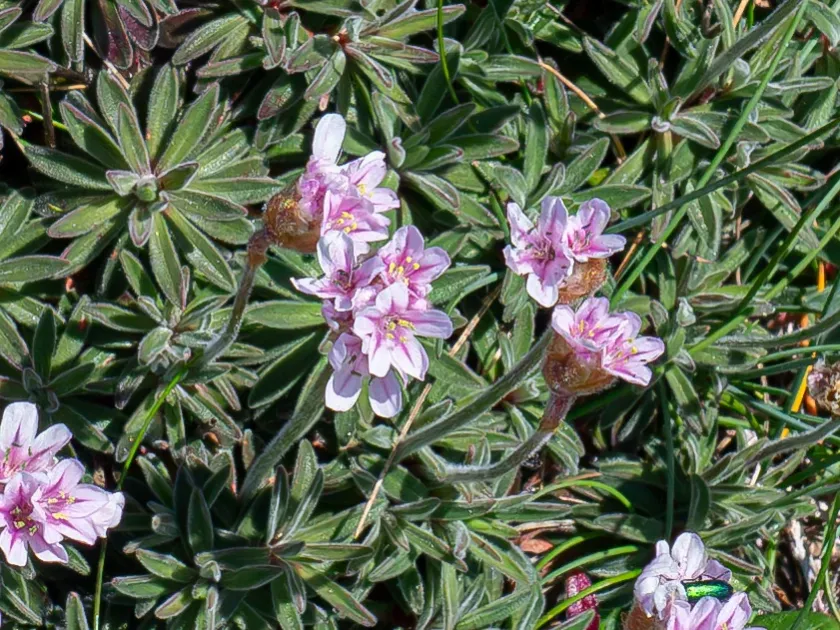
Description
Sowing dates
Sowing seeds of Armeria pubigera is typically carried out in late February or March for indoor seedling production. This allows for the development of sturdy young plants that are ready for transplanting into open ground in May, once the risk of night frost has passed.
Winter sowing directly into the soil in October is also possible; however, this method requires natural stratification of the seeds. With autumn sowing, seedlings appear in early spring, which ensures a faster establishment of the culture.
When starting indoors, seeds should be sown in a light, loose substrate at a depth of no more than 0.5 cm. It is crucial to provide good lighting and moderate temperatures to prevent the seedlings from becoming leggy, as they are sensitive to low light conditions.
After the appearance of two true leaves, the seedlings should be pricked out into individual pots or cell trays. The hardening process for the seedlings before transplanting should last at least 10–14 days, which is vital for successful establishment in the field.
Transplanting seedlings into flower beds or rock gardens is performed with a spacing of 20–30 cm between plants. The planting density depends on the desired decorative effect and the fertility of the soil in the specific area.
Growing requirements
Armeria pubigera is a perennial herbaceous plant belonging to the Plumbaginaceae family, naturally found on rocky coastal slopes. The crop is valued for its high adaptability to poor, sandy, and sandy-loam substrates.
The primary requirement for the plant is excellent aeration and soil drainage. Stagnant moisture near the root collar is fatal to this species, so on heavy clay soils, incorporating sand, gravel, or expanded clay is essential during planting.
The plant prefers open, sunny locations, as in shade it loses its compactness, flower stalks stretch, and flowering intensity drops sharply. Armeria possesses high resistance to wind loads, which is consistent with its natural habitat.
The soil pH should be neutral to slightly acidic. Armeria pubigera does not tolerate an excess of lime, so when preparing the site, one should avoid applying large doses of dolomitic limestone without a prior soil analysis.
Irrigation should be moderate and regular during dry spells. Despite its drought tolerance, to maintain the decorative look of the rosettes and ensure abundant blooming during the budding phase, the soil must retain a minimum level of moisture.
Main diseases and pests
Armeria pubigera is relatively resistant to most pathogens, but the most significant threat is root rot. The development of fungal infections in the roots is triggered by improper watering schedules and poor drainage, leading to plant death.
In conditions of high air humidity or dense planting, gray mold (Botrytis) can develop. To prevent the spread of the disease, it is necessary to remove infected parts of the bush and ensure proper air circulation between plants.
Among pests, aphids are occasionally observed on Armeria, sucking sap from young flower stalks. In case of mass infestation, the use of systemic insecticides or mild soap solutions is recommended.
Nematodes can affect the root system of the plant, manifesting as stunted growth and yellowing of the leaves. Controlling this pest is difficult, so the focus should be on prevention: using healthy planting material and adhering to crop rotation practices.
To prevent the spread of harmful insects, timely weeding is crucial, as weeds can serve as intermediate hosts for many parasites and carriers of viral diseases affecting decorative cultures.