
Armeria pinifolia
Armeria pinifolia
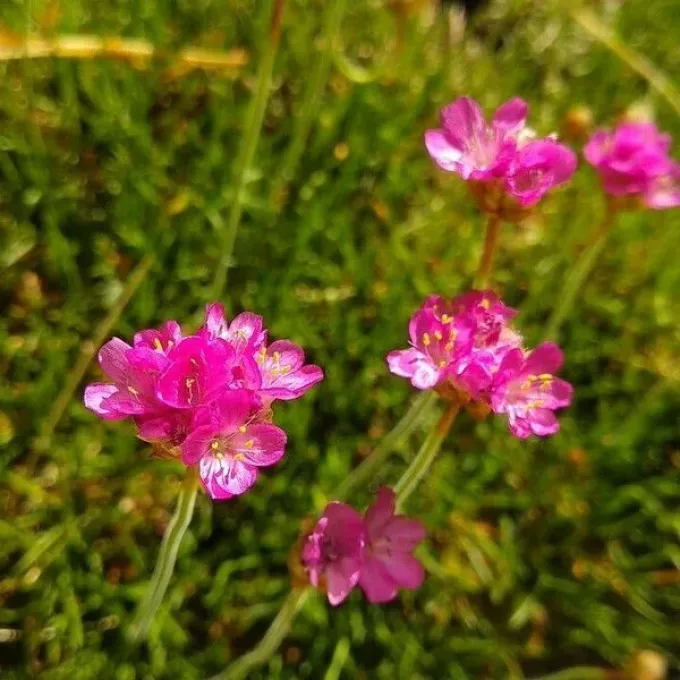
Description
Sowing dates
The sowing of Armeria pinifolia is best performed by seeding in open soil before winter or in a greenhouse in early spring to produce seedlings. Late autumn sowing allows seeds to undergo natural stratification, which significantly improves germination rates and vigor when temperatures rise.
For greenhouse cultivation, seeds should be sown in trays during March. It is essential to maintain a stable temperature of 18-20 degrees Celsius and provide consistent, moderate substrate moisture while avoiding waterlogging, which is detrimental to delicate seedlings.
Pricking out young plants should occur once the first pair of true leaves has fully formed. Transplanting into their permanent garden location is recommended only after all risks of frost have passed, ensuring adequate spacing between clumps to maintain airflow and prevent moisture issues.
Vegetative propagation via division of mature clumps is highly effective and should be carried out in early autumn or spring. This method preserves the genetic characteristics of the parent plant and results in faster blooming compared to specimens grown exclusively from seeds.
Belonging to the Plumbaginaceae family, this perennial is prized for its compact habit and needle-like foliage. It is an excellent choice for border planting and alpine gardens, providing a clean, aesthetic structure throughout the growing season.
Growing requirements
Armeria pinifolia is highly photophilous, requiring full sun exposure to thrive. Planting in shaded areas leads to etiolated growth, reduced vitality, and a significant decrease in flowering performance, ultimately ruining the plant's structural beauty in landscape design.
Soil requirements are quite specific: it demands sandy, well-draining, and acidic substrates. Calcareous soils must be avoided at all costs, as they trigger chlorosis, stunt development, and can lead to the premature decline of the plant in its intended environment.
The plant demonstrates remarkable drought tolerance but strictly avoids water-logged conditions. Watering should be limited to severe drought periods, focusing on the root zone and ensuring that excess water dissipates rapidly to prevent crown rot or fungal infections.
Native to challenging environments, this species is quite hardy and capable of withstanding cold climates. In areas with harsh winters lacking snow cover, a light layer of pine boughs or similar protective mulch is recommended to prevent excessive dehydration of the plant tissues.
Proper agronomic management involves regular weeding, as the root system of Armeria is sensitive to competition from invasive weeds. Using a mulch of small rocks or gravel around the base of the plant helps maintain soil structure and prevents the foliage from touching moist soil.
Main diseases and pests
The most significant threat to Armeria pinifolia is root rot, typically caused by poor drainage or excessive irrigation. Fungal pathogens exploit high moisture levels in the root zone, often leading to rapid collapse of the plant if soil conditions are not corrected promptly.
Aphids can occasionally infest the plant, feeding on the cell sap of young flower stalks and foliage. This causes deformation and weakens the plant, making it necessary to apply systemic insecticides or horticultural soaps at the first signs of insect activity to mitigate damage.
Powdery mildew may occur in poorly ventilated or excessively humid conditions. Management includes ensuring proper plant spacing to allow air circulation and applying copper-based or sulfur-based fungicides as a preventative or curative measure against the spread of fungal spores.
Nematodes can cause significant damage to the root system, characterized by overall wilting and yellowing of leaves. Using healthy, certified planting stock and adhering to strict crop rotation practices are essential for controlling these microscopic pests in the garden environment.
Regular monitoring of the planting site is the best way to detect early signs of stress or infection. By maintaining optimal drainage and ensuring the plant is not overcrowded, gardeners can effectively manage and prevent these threats from impacting the health of the specimens.