
Large-leaved thrift
Armeria macrophylla
Description
Sowing dates
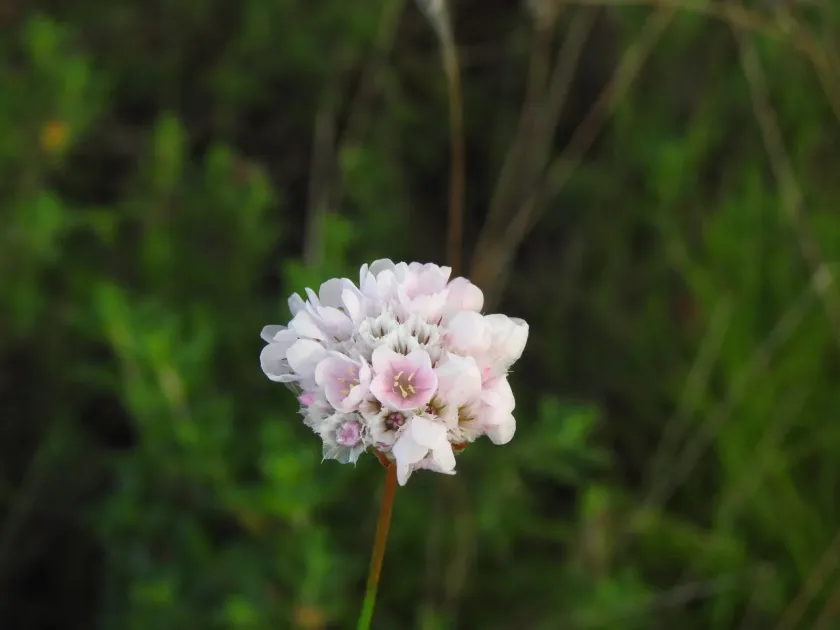
Armeria macrophylla, commonly known as the large-leaved thrift, is a perennial flowering plant belonging to the Plumbaginaceae family. It is prized in horticultural circles for its unique foliage and resilient growth habit, native to specific mountainous regions.
Seeds can be sown in late autumn or early spring. For optimal results, seeds require a period of cold stratification, which helps break dormancy and ensures a higher germination rate among the batch.
When starting indoors, use a well-draining seed-starting mix. Surface-sow the seeds and cover them with a very thin layer of vermiculite, maintaining a consistent temperature of around 18–20°C until sprouts appear.
Seedlings should be transplanted into individual pots once they develop their first set of true leaves. This allows the root system to strengthen before moving the young plants to their final outdoor location in the garden.
Spacing is crucial for the long-term health of the plant. A distance of at least 25 centimeters between specimens provides adequate airflow, which is essential for preventing moisture-related issues within the dense leaf rosettes.
Growing requirements
The large-leaved thrift thrives in full sun and well-drained, sandy soils. It is highly adaptable to poor soil conditions but performs best when provided with moderate drainage to prevent root rot during wet seasons.
In terms of moisture, the plant is remarkably drought-tolerant once established. It should be watered sparingly; deep watering during prolonged dry spells is sufficient to keep the plant in healthy, vegetative condition.
The ideal soil pH is slightly acidic to neutral. In highly alkaline soils, iron chlorosis may occur, which can be corrected by adding organic matter or specialized fertilizers to adjust the soil chemistry.
Maintenance tasks include removing spent flower stalks after the primary blooming season. This promotes cleaner growth and prevents the plant from expending unnecessary energy on seed production instead of root establishment.
For winter care, while the plant is generally hardy, it benefits from a light mulch of organic matter in regions with extreme frost and lack of snow cover to prevent soil heaving.
Main diseases and pests
Root rot is the most common threat to Armeria macrophylla, usually caused by overwatering or soil that retains too much moisture. Ensuring excellent drainage is the primary defense strategy for any gardener.
Aphids can occasionally cluster on the developing flower buds during the spring. If an infestation is detected, a simple stream of water or a mild insecticidal soap application is typically enough to control the population.
Powdery mildew may develop if the plants are placed in areas with stagnant air. Increasing space between plants and avoiding overhead irrigation can significantly reduce the risk of this fungal issue.
Nematodes are another potential concern in some soil types, leading to stunted growth. Monitoring the health of the crown and ensuring good plant hygiene are the best preventative measures available.
Overall, keeping the area around the base of the plant free of decaying organic matter helps prevent the development of various pathogens that thrive in damp, enclosed environments.