
Armeria linkiana
Armeria linkiana
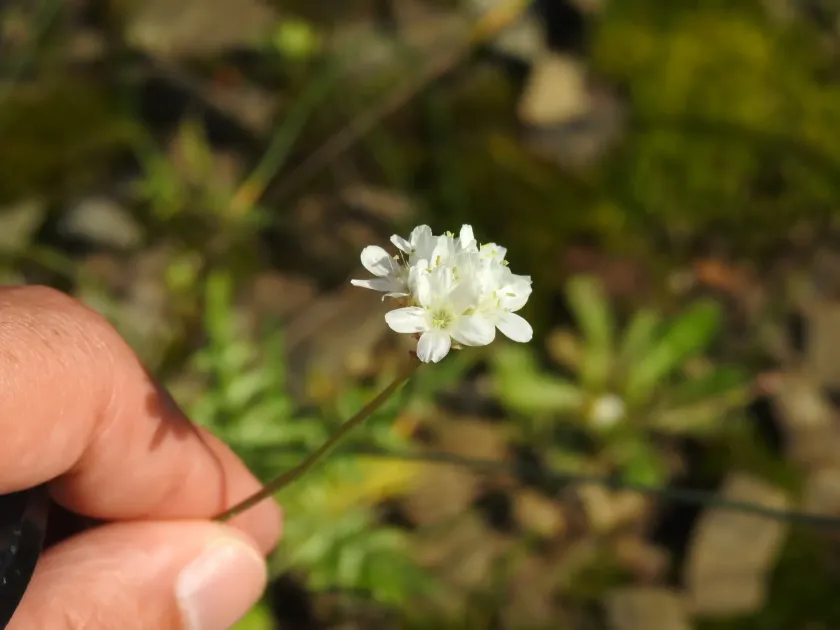
Description
Sowing dates
Sowing of Armeria linkiana seeds is best performed during the autumn period, which allows the seeds to undergo natural stratification. Spring sowing is also viable in March or April, provided that the seeds have been cold-treated for several weeks beforehand.
To produce seedlings, sow the seeds in containers using a loose, well-draining substrate, burying them no deeper than 0.5 centimeters. Maintain a temperature of 18–20 degrees Celsius and ensure the soil remains moist but not waterlogged during the germination process.
Once the first true leaves appear, transplant the seedlings into individual pots to encourage stronger root development. Move them to their final permanent location only after the danger of night frost has completely passed, spacing plants 20–30 centimeters apart.
The early growth phase of Armeria linkiana is relatively slow, making it essential to keep the surrounding area free of weeds. Once established, the root system is robust enough to thrive in challenging, rocky environments where other species might fail.
Vegetative propagation via root division should be performed either in early spring or immediately after the main flowering season. Each division should possess well-developed roots and healthy leaf rosettes to ensure rapid re-establishment in the new planting site.
Growing requirements
Armeria linkiana belongs to the Plumbaginaceae family and is a plant species endemic to Portugal. It is a heliophilic plant, meaning it requires maximum sunlight exposure to produce its characteristic flower stalks and maintain a compact growth habit.
This species thrives in well-draining, light sandy, or gravelly soils with a neutral to slightly acidic pH level. Water retention at the crown is extremely detrimental, so providing a solid drainage layer is mandatory when planting in heavier soil types.
The plant is highly drought-tolerant, an adaptation derived from its native environment. It is an excellent candidate for rock gardens, alpine beds, and landscapes where soil moisture levels are relatively low throughout the summer season.
While moderate watering is required during active growth, it is crucial to avoid wetting the flower heads during the blooming stage. Over-fertilization with nitrogenous organic matter should be avoided, as it encourages excessive foliage at the expense of floral display.
Maintenance includes regular deadheading to remove faded stalks, which encourages the plant to produce a second wave of blooms. During particularly cold and snowless winters, covering the plant with pine boughs can prevent damage from freezing temperatures.
Main diseases and pests
Fungal diseases, often triggered by excessive humidity or poor soil drainage, pose the most significant risk to Armeria linkiana. Root rot is the most common issue, appearing primarily in waterlogged conditions where air circulation is poor.
Pests such as aphids and spider mites can occasionally affect the foliage, particularly during extended dry spells. If infestations occur, systemic insecticides or acaricides should be applied as soon as the first symptoms of damage are observed.
Prevention focuses on maintaining correct watering regimes and ensuring optimal air circulation within the planting site. Avoiding overcrowded conditions significantly reduces the risk of mold and pathogen buildup in the plant's dense rosettes.
If leaf spot or other signs of fungal distress appear, damaged parts should be pruned immediately, followed by an application of a copper-based fungicide. Regular visual inspection is key to managing the health of the planting throughout the growing season.
Vigorous, healthy plants with strong immune systems are far less susceptible to pest attacks. Adhering to professional agrotechnical practices ensures the longevity of the plant and minimizes the need for chemical interventions.