
Armeria langei
Armeria langei
Description
Growing requirements
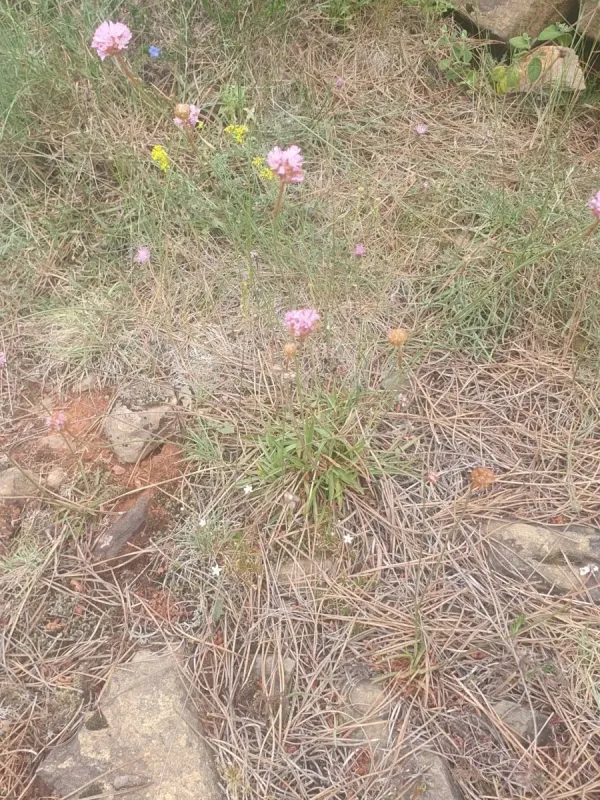
Armeria langei is a perennial herbaceous plant belonging to the Plumbaginaceae family. This species is native to the Iberian Peninsula, specifically adapted to rocky outcrops and mountainous terrains, which defines its preference for specific environmental conditions.
Botanically, it forms dense rosettes of narrow, linear leaves. During the blooming season, the plant produces distinctive, globe-shaped flower heads on erect, leafless stalks. These flowers range in color from soft pink to vibrant purple, adding significant ornamental value.
Cultivation of Armeria langei requires well-drained, sandy, or rocky soil with a neutral to slightly acidic pH. Proper drainage is the most critical factor, as the roots are highly susceptible to rot if they remain in saturated soil for extended periods.
The plant thrives in full sun, which is essential for maintaining its compact growth habit and encouraging prolific flowering. In shaded conditions, the plant tends to become leggy, and flower production is significantly reduced, compromising the plant's aesthetic appeal.
General care involves minimal water requirements once the plant is established. Periodic removal of spent flower stalks encourages a tidy appearance and may prompt secondary blooms, ensuring the plant looks healthy throughout the entire growing season.
Main diseases and pests
The primary threats to Armeria langei are fungal diseases, particularly root and crown rots caused by excessive soil moisture. Maintaining a dry, well-aerated environment around the base of the plant is the most effective way to prevent these pathogens from spreading.
Pests such as aphids and spider mites can occasionally affect the rosettes, especially during hot and dry spells. These pests usually target young growth, and early identification followed by gentle insecticidal soap treatments can effectively manage their populations.
Leaf spot diseases may occur if the foliage remains wet for prolonged periods or if air circulation around the rosettes is poor. It is recommended to plant specimens with sufficient spacing to ensure that air flows freely, preventing the build-up of excess humidity.
Nematodes are another potential, albeit less common, threat that can severely damage the root system. Using sterile soil mixes and avoiding contaminated planting sites are standard preventive practices to maintain the health of these perennial plants.
Overall, Armeria langei is a resilient plant if its specific ecological needs are met. Consistent monitoring and preventive hygiene in the garden, such as clearing debris from around the plant base in autumn, significantly reduce the incidence of both diseases and pest damage.