
Armeria hybrids
Armeria hybrids
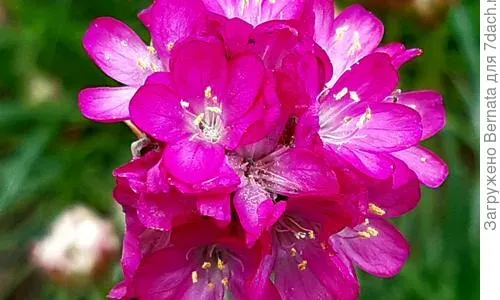
Description
Sowing dates
Armeria hybrids are perennial herbaceous plants belonging to the Plumbaginaceae family. These plants are known for their compact, cushion-forming habit and their ability to produce vibrant globe-shaped flower heads.
Seeds are typically sown in early spring, around March or April. To improve germination rates, it is highly recommended to cold-stratify the seeds in a refrigerator for a few weeks before sowing them in containers.
Sow the seeds onto the surface of a light seed-starting mix, barely covering them with a thin layer of soil. Keep the container in a warm, well-lit environment, ensuring the soil remains consistently moist.
Once the seedlings develop their first true leaves, they should be pricked out into individual small pots. Transplanting into the permanent garden location should occur only after the danger of frost has passed.
Direct sowing in the garden is also an option in late autumn, allowing the seeds to undergo natural winter chilling. However, starting indoors provides more control over environmental factors and plant establishment.
Growing requirements
Armeria hybrids thrive in full sun exposure. While they can tolerate light partial shade, maximum sunlight is required to maintain the dense, neat appearance of their foliage and to ensure prolific flowering.
These plants prefer well-draining, sandy, or rocky soil. They are particularly well-suited for rock gardens and borders where moisture does not accumulate, as they are susceptible to root rot in soggy conditions.
The ideal soil pH is neutral to slightly acidic. If your garden soil is heavy or clay-based, it is essential to amend it with sand or grit to improve drainage and prevent the roots from suffocating.
While the plants are naturally drought-tolerant once established, regular watering during dry spells throughout the growing season will significantly prolong the blooming period and improve overall plant vigor.
Minimal fertilization is required for healthy growth. Applying a balanced liquid fertilizer once or twice during the spring is sufficient; excessive fertilization can lead to weak growth and fewer blooms.
Main diseases and pests
Armeria hybrids are generally robust and disease-resistant. However, they are prone to root rot if they are planted in poorly drained soil or if the crown of the plant is kept constantly wet.
Aphids can occasionally become a nuisance, particularly on the succulent flower stems. If infestation is detected, physical removal or the application of an appropriate insecticide should be implemented immediately.
Fungal leaf spot can occur in climates with high humidity and poor air circulation. To mitigate this, ensure plants are spaced adequately and keep the foliage dry during irrigation.
If fungal issues persist, removing and destroying affected foliage can help prevent the spread of spores. Promoting good air movement by thinning out overcrowded plantings is a key preventative measure.
Regular maintenance, including dividing the clumps every three to four years, is beneficial. This practice not only rejuvenates the plant but also helps manage pests and diseases that might accumulate.