
Armeria humilis
Armeria humilis
Description
Sowing dates
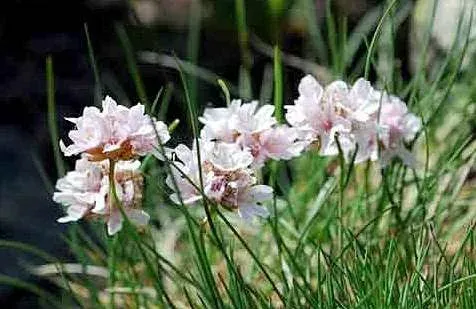
Armeria humilis is a perennial herbaceous plant belonging to the Plumbaginaceae family, widely appreciated for its dense, compact foliage and attractive, rounded flower heads.
Seeds are typically sown in early spring in trays or directly into the open ground during the autumn, following a period of cold stratification to break dormancy.
When sowing, the seeds should be covered only lightly with soil, as they require light to germinate efficiently; maintaining a consistent moisture level is crucial during this stage.
Once seedlings have developed their first true leaves, they are transplanted into individual pots or spaced out in the garden to allow for healthy root and leaf expansion.
Division of mature plants is another common propagation method, which is best performed in the spring, ensuring that each division has a sufficient amount of roots to establish quickly.
Growing requirements
Originating from the mountain regions of Europe and the Mediterranean, Armeria humilis is perfectly adapted to harsh, stony environments and well-drained soils.
The plant thrives in full sunlight, which is necessary to maintain its compact, cushion-like form and to ensure a profuse bloom throughout the growing season.
It prefers sandy or gritty, well-draining soils that are neutral or slightly acidic; heavy, clay-based soils should be avoided or amended to prevent waterlogging.
Drought tolerance is a hallmark of this species, making it an excellent candidate for xeriscaping or rock gardens where water conservation is an important factor.
While hardy, the plant benefits from protection against excessive winter dampness, which can cause the crown to rot if the drainage is insufficient during the dormant period.
Main diseases and pests
Armeria humilis is generally robust, but it can be susceptible to several issues if the growing conditions do not meet its specific requirements for light and drainage.
Root rot is the most common threat, usually resulting from excessive moisture, poor drainage, or soil compaction that keeps the root system constantly wet.
Aphids can occasionally infest the flower stalks during the peak growing season, potentially stunting the growth of the buds and reducing the overall aesthetic quality.
Leaf spot diseases may appear in environments with poor air circulation or high humidity, leading to the development of necrotic areas and premature foliage decline.
Management of these threats is primarily achieved through good cultural practices, such as ensuring proper spacing for airflow and avoiding overhead irrigation during damp periods.