
Armeria girardii
Armeria girardii
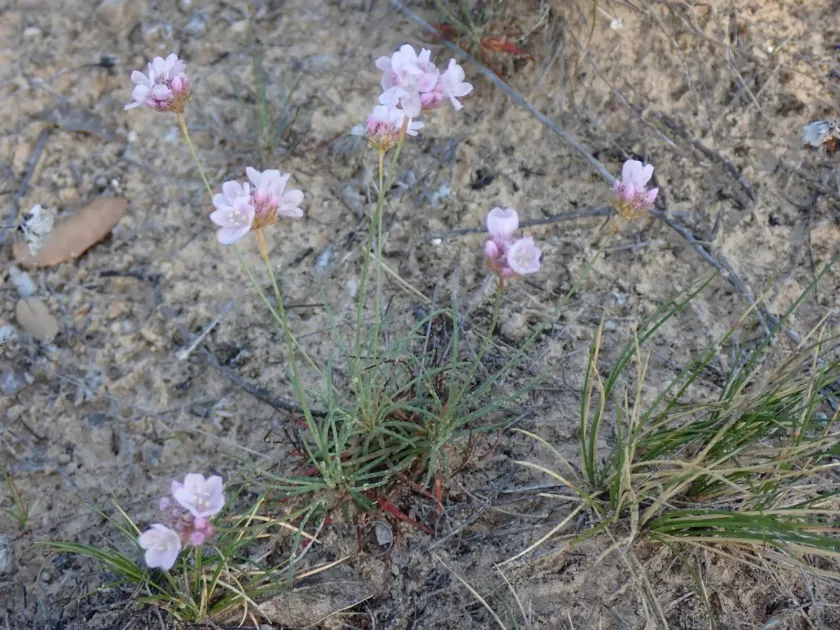
Description
Sowing dates
Sowing Armeria girardii seeds is best performed in early spring, typically between March and April, using greenhouse or indoor containers. Seeds should be sown on the surface of a light, well-draining seed-starting mix.
To improve germination rates, a period of cold stratification for several weeks is highly recommended. This mimics the natural winter conditions the seeds experience in their native habitat, ensuring uniform growth.
Transplanting seedlings into the garden should occur once the risk of frost has passed, usually late May or early June. Proper soil preparation before planting is essential to ensure long-term plant health.
Spacing between plants should be approximately 20–30 cm to allow for proper airflow. Dense planting is discouraged as it may lead to moisture retention and subsequent crown rot in the dense foliage mats.
Vegetative propagation via division is another reliable method for expanding your Armeria collection. This is ideally done in the autumn or early spring, ensuring each division has a healthy root system.
Growing requirements
Armeria girardii is a compact herbaceous perennial belonging to the Plumbaginaceae family. This species originates from the mountainous regions of France, where it naturally colonizes rocky and nutrient-poor soils.
The primary requirement for this species is excellent drainage. It thrives in sandy or gritty soil substrates. Any tendency for water to log around the root collar will inevitably cause the plant to decline.
Full sun exposure is mandatory for Armeria girardii. It requires at least 6–8 hours of direct sunlight daily to maintain its characteristic compact, cushion-like growth form and to stimulate vigorous flowering.
This plant is highly drought-tolerant once established. It is perfectly adapted to arid environments, making it an excellent choice for xeriscaping or traditional rock gardens where supplemental watering is limited.
The plant prefers neutral to slightly acidic soil conditions. It is not a heavy feeder, so excessive use of fertilizers should be avoided to maintain the plant's natural, dense architecture and prevent leggy growth.
Main diseases and pests
The most significant threat to Armeria girardii is fungal disease, particularly root rot, which is almost exclusively caused by overwatering or poor soil drainage. Maintaining dry, airy conditions is the best defense.
Cultural practices, such as preventing debris from accumulating at the base of the plant, are crucial. This helps maintain the necessary airflow around the foliage and reduces the risk of fungal pathogens.
While relatively pest-resistant, the plant can occasionally suffer from aphids during the growing season. If infestations occur, they can be managed with targeted insecticidal soaps or systemic treatments.
Leaf spotting can occur under humid, poorly ventilated conditions. It is advisable to inspect plants regularly and remove any infected foliage to prevent the spread of the disease within the planting bed.
Choosing the wrong soil type, specifically heavy clay, is a common error that leads to plant failure. Without proper aeration, the root system suffocates, rendering the plant vulnerable to rot and decline.