
Armeria genesiana
Armeria genesiana
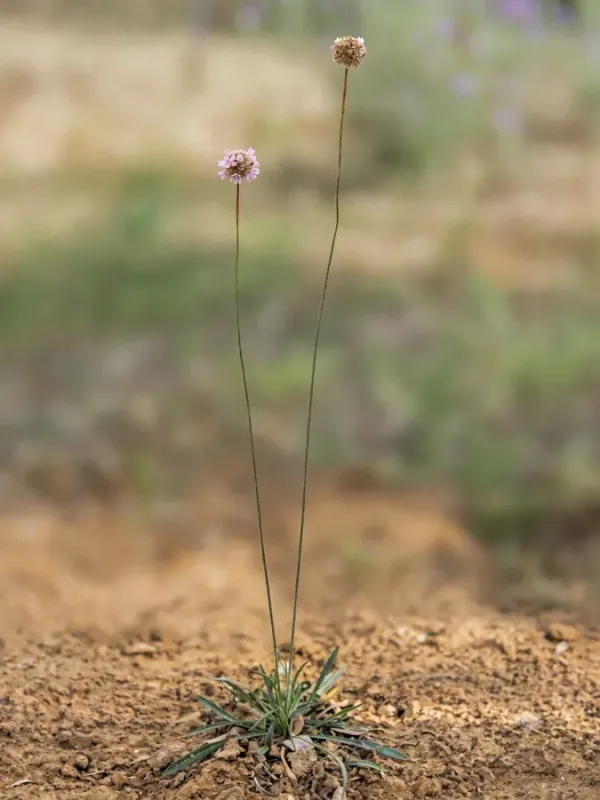
Description
Sowing dates
Sowing Armeria genesiana seeds is best performed during the early spring or late autumn. The seeds are characterized by a moderate germination rate, which can be significantly improved by cold stratification at temperatures around 5°C for approximately three to four weeks before sowing.
For optimal results, seeds should be sown in a light, well-draining substrate to a depth of roughly 0.5 centimeters. It is crucial to maintain a consistent, yet not excessive, moisture level during the germination phase to prevent the seeds from drying out while ensuring they receive enough oxygen.
When starting the crop indoors, use seed trays or individual starter pots filled with a sterile, sandy mix. Providing a temperature range between 15°C and 20°C facilitates steady development, with seedlings usually emerging within three weeks after the initial sowing date.
Once the plants develop their first few sets of true leaves, they should be carefully transplanted or thinned to prevent overcrowding. Establishing a healthy root system during this stage is vital for the long-term vitality of the Armeria genesiana in the field or garden setting.
Acclimatizing the seedlings to outdoor conditions is essential before final planting. Gradual exposure to direct sunlight and fluctuating temperatures helps harden the plants, reducing transplant shock and promoting vigorous growth once moved to their permanent location.
Growing requirements
Armeria genesiana, a member of the Plumbaginaceae family, is highly adapted to rocky and sandy environments. It thrives in full sun, which is necessary to maintain its compact growth habit and to ensure profuse and uniform flowering throughout the spring and summer months.
The plant requires soil with excellent drainage; heavy, clay-based soils that retain moisture can be fatal to the root system. Ideal growing media are gritty, nutrient-poor, and slightly acidic to neutral in pH, mimicking the natural cliffside habitats of this species.
This crop is remarkably drought-tolerant once established, thanks to its deep taproot. Excessive watering should be avoided at all costs, as the primary cause of decline for this plant in cultivation is often related to crown or root rot resulting from waterlogged soil conditions.
Fertilization should be applied very sparingly. Heavy use of nitrogen-rich fertilizers encourages excessive foliage growth, which reduces the plant's structural integrity and often results in fewer, weaker flowers. A balanced, low-concentration fertilizer once in early spring is usually sufficient.
The plant demonstrates good cold hardiness, but it benefits from protection against freezing winds or standing water during the winter. In areas with high rainfall, providing a gravel mulch around the crown can help keep the foliage dry and prevent decay during the dormant period.
Main diseases and pests
Root rot is the most significant agronomic threat to Armeria genesiana, typically triggered by poor drainage or over-irrigation. Symptoms include the wilting and browning of the basal foliage, eventually leading to the death of the entire plant if left unaddressed.
Aphids represent the most common pest challenge, particularly during the active growth period. These insects often cluster around the flower stalks and young buds, feeding on sap and potentially spreading viral pathogens that deform the blossoms and stunt development.
To mitigate these threats, maintaining adequate spacing between plants is critical. Proper airflow helps dissipate humidity around the foliage, significantly reducing the chances of fungal infections and making the environment less favorable for pest colonization.
Nematodes can also cause localized damage to the root system, leading to stunted growth. If such pests are detected, the affected plants must be removed and destroyed immediately to prevent the contamination of the surrounding soil and the spread to healthy neighboring plants.
Regular monitoring of the site is the most effective form of prevention. By inspecting the plants for early signs of distress—such as leaf discoloration or sluggish growth—growers can implement targeted treatments early, thereby ensuring the long-term success of the cultivation.