
Armeria gaditana
Armeria gaditana
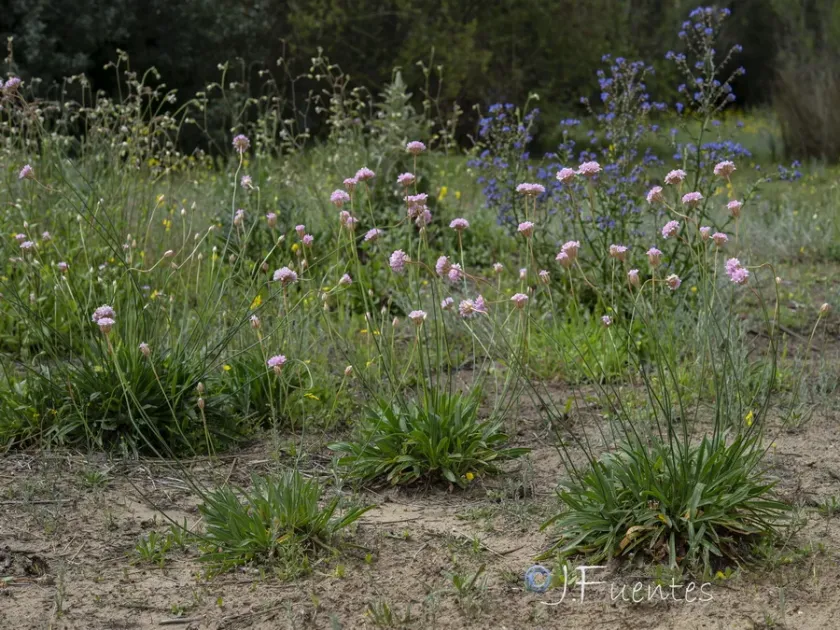
Description
Sowing dates
Armeria gaditana is a perennial herbaceous plant belonging to the Plumbaginaceae family. This species is highly valued in ornamental gardening for its compact habit and abundant flowering. In temperate climates, sowing is typically carried out in the spring once the soil has warmed up sufficiently.
For seedling production, seeds are sown in trays as early as February or March. This allows for flowering within the first year of the plant's life. Stratifying the seeds for a few weeks significantly improves germination rates and ensures more uniform emergence of seedlings.
When sowing directly in the garden, it is crucial to ensure the area receives plenty of sunlight. Armeria seeds should be sown shallowly and covered with a light layer of substrate. The optimal temperature for seed germination is between 18 and 20 degrees Celsius, which is essential for successful growth.
Maintaining moderate soil moisture during the germination phase is vital. Excess humidity can lead to seed rot, so it is recommended to use light, well-draining soil mixes. Once the seedlings develop two or three true leaves, they should be pricked out into their permanent growing location.
When planting in the garden, a spacing of approximately 20–30 centimeters should be maintained between plants. This allows for adequate air circulation, which prevents the development of fungal infections that are critical to the plant's health throughout the growing season.
Growing requirements
The plant prefers sunny, open locations where waterlogging is completely avoided. Armeria gaditana is highly drought-tolerant, making it an ideal candidate for rock gardens, gravel beds, and xeriscaping projects where water efficiency is prioritized.
Soils should be light, sandy, or loamy with a neutral to slightly acidic pH. The plant reacts negatively to excess lime, so soil acidity should be checked during site preparation to ensure proper nutrient uptake and overall plant vigor.
Irrigation should be moderate, based on the moisture levels of the topsoil layer. While watering can be slightly increased during the peak flowering period, even short-term waterlogging of the root system can be fatal to this specific flora representative.
The plant thrives in nutrient-poor soils, though an application of mineral fertilizer in early spring can promote more lush flowering. It is recommended to use balanced fertilizers with lower nitrogen content to prevent excessive vegetative growth at the expense of blooms.
In regions with harsh winters, the plant may require light winter protection using evergreen boughs or horticultural fleece. Otherwise, the species demonstrates high resilience and adapts excellently to open-ground garden conditions.
Main diseases and pests
The primary threats to Armeria gaditana are diseases associated with excessive moisture around the root zone. Root rot, caused by stagnant water in the soil, is the most common issue, leading to wilting of the plant and eventual death of the specimen.
Among pests, aphids are occasionally observed on armeria plantings. These insects feed on the sap of young shoots, weakening the plant's immune system. Timely treatment with broad-spectrum insecticides is effective in managing these infestations.
Failure to follow good horticultural practices, such as overcrowding plants, promotes the development of powdery mildew. The first signs are white patches on the leaves, which spread rapidly in conditions of high humidity and poor ventilation.
To prevent these pathologies, it is recommended to avoid overhead watering in the evening. If signs of disease are spotted, the affected plant parts must be removed immediately, followed by an application of copper-based or sulfur-based fungicides.
Regular inspection of the plants helps to identify potential problems at an early stage. A healthy plant provided with proper drainage rarely suffers from severe pest issues, as it possesses strong natural defense mechanisms characteristic of the Plumbaginaceae family.