
Woolly-leaved thrift
Armeria eriophylla
Description
Sowing dates
Seeds of Armeria eriophylla are typically sown in late autumn directly in the open ground or indoors in March-April. When starting indoors, use a well-draining seed-starting mix and maintain a temperature of 18-20°C.
Germination usually occurs within 2 to 3 weeks. Once seedlings have developed at least two true leaves, they should be pricked out and transplanted into individual pots to strengthen their root systems.
Transplanting the hardened-off seedlings to the garden occurs in late May once the frost risk has passed. Space the plants 20-30 centimeters apart to prevent overcrowding.
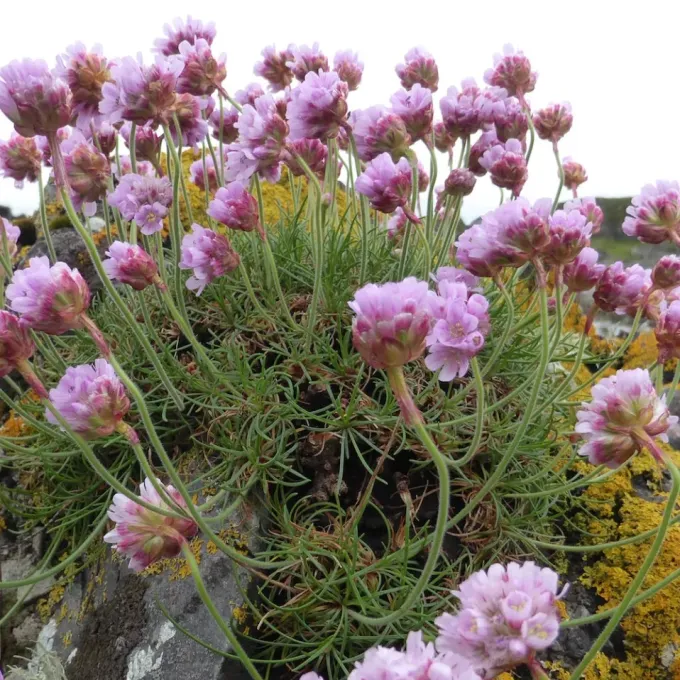
This species belongs to the Plumbaginaceae family. It is distinguished by its characteristic woolly pubescence on the leaves, which provides a unique aesthetic to rock gardens and borders.
Vegetative propagation via division is also possible and is best performed in early spring or immediately after the flowering period ends, ensuring the plant remains healthy and vigorous.
Growing requirements
The plant thrives in full sun and requires well-drained, sandy, or rocky soil. It is highly intolerant of waterlogged conditions, which lead to root rot and eventual plant failure.
Optimal pH for cultivation ranges from neutral to slightly acidic. If planting in heavy clay soils, incorporating coarse sand or gravel is essential to provide necessary drainage.
Armeria eriophylla is remarkably drought-tolerant once established. Supplemental watering is only required during prolonged dry spells or the initial growing phase of the season.
Fertilizer requirements are minimal. Over-fertilizing, particularly with nitrogen, can stimulate excessive vegetative growth at the expense of floral production; a balanced feed in early spring is sufficient.
Regular maintenance includes removing spent flower stalks to encourage secondary blooms. Weeding and surface cultivation help keep the plant surroundings clean and minimize competition.
Main diseases and pests
The primary threat to this species is root rot caused by stagnant moisture. Ensuring excellent drainage is the most effective preventative measure against fungal infection.
Powdery mildew can occur in areas with poor air circulation or high humidity. Maintaining adequate spacing between plants is critical for preventing the spread of such diseases.
Pests like aphids and spider mites may occasionally infest the plants, particularly during hot and dry weather. Monitor foliage closely and apply horticultural soaps if necessary.
Nematodes are another potential problem, affecting the roots and stunting growth. Infected plants should be promptly removed and destroyed to prevent spreading throughout the bed.
General hygiene, such as removing debris and dead foliage around the crown of the plant, reduces the risk of pest harborage and promotes overall plant vitality.