
Aristolochia pistolochia
Aristolochia pistolochia
Description
Growing requirements
Aristolochia pistolochia is a perennial herbaceous plant belonging to the Aristolochiaceae family. It is native to the western Mediterranean region, where it primarily grows in rocky, calcareous habitats across Spain and southern France.
This species thrives in sunny, well-drained environments. It is well-adapted to dry climates, requiring porous soils that prevent water retention. Cultivation success depends on providing conditions that mimic its natural Mediterranean mountain habitat, characterized by warm days and dry air.
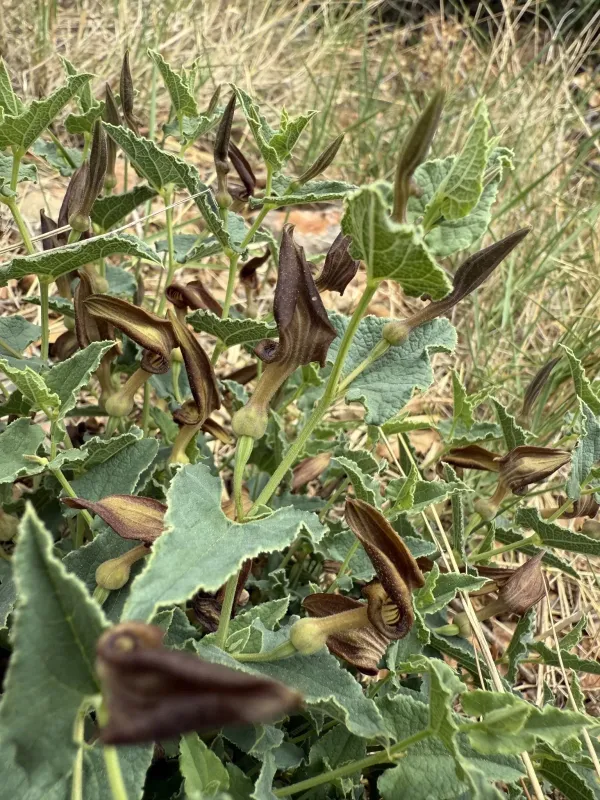
Botanically, it is defined by its distinctive tubular flowers, which function as temporary insect traps to facilitate pollination. The plant develops a tuberous root system and slender stems with heart-shaped, cordate leaves, reflecting its classification within the birthwort genus.
Economically, while historically used in traditional herbal practices, its application is currently highly restricted due to the presence of aristolochic acid, which is known to be nephrotoxic. Consequently, it is cultivated mainly for scientific study, botanical collections, and as an ornamental curiosity.
Agricultural management requires extreme care. The plant does not respond well to heavy fertilization or excessive irrigation. Ideally, it should be grown in pots with a specialized mineral-rich potting mix or in protected outdoor areas with excellent drainage to prevent root rot.
Main diseases and pests
The primary threat to Aristolochia pistolochia is root rot caused by fungal pathogens that thrive in damp or poorly drained soils. Once the tuberous roots begin to decay due to moisture excess, the plant is extremely difficult to recover.
Common agricultural pests such as aphids and spider mites can infest the foliage, particularly in greenhouse conditions. Growers are advised to monitor plant health frequently to remove affected parts and manage populations before they cause structural damage.
Soil compaction represents an environmental risk, as it prevents root aeration. This lack of oxygenated soil encourages anaerobic bacteria, which are detrimental to the plant's long-term survival and vigor.
Disease prevention is centered on proper hygiene and environmental control. Keeping the surface of the soil dry and ensuring consistent airflow around the plant are the best defenses against leaf mold and powdery mildew.
Due to its niche status, there are few registered chemical treatments for this crop. Management strategies should focus on integrated pest control and preventive cultural practices to maintain the delicate ecological balance required for this species.