
Aristolochia paucinervis
Aristolochia paucinervis
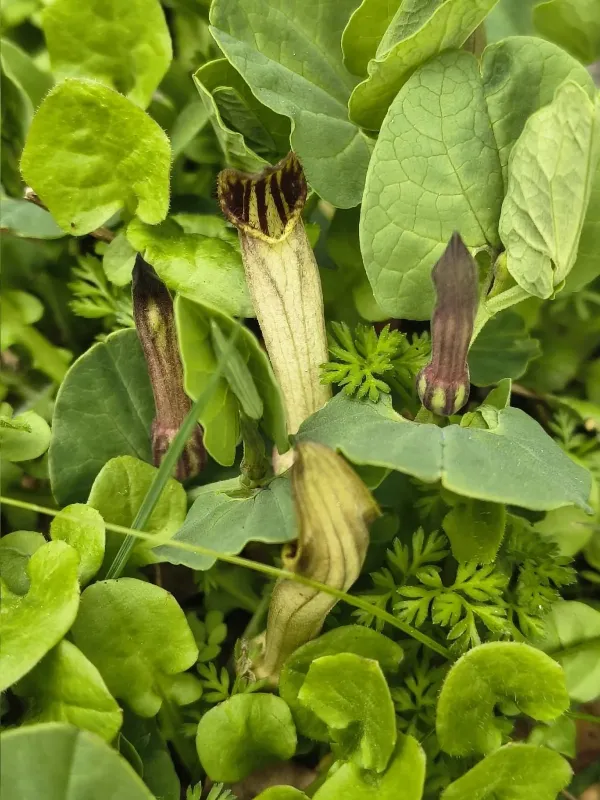
Description
Sowing dates
Sowing Aristolochia paucinervis seeds requires careful preparation, typically starting in early spring. Stratification is often necessary to break seed dormancy and ensure uniform germination across the tray, which usually takes several weeks under controlled conditions.
The seeds should be planted in a well-draining, sterile seed-starting mix at a shallow depth. Maintaining a consistent temperature of around 20 degrees Celsius is critical for successful sprouting during the initial growth phase.
Once the seedlings develop at least two pairs of true leaves, they should be hardened off before being transplanted to their permanent location. This acclimation process reduces transplant shock and helps the young plants adjust to outdoor environmental factors.
Spacing is essential, as the plant acts as a vigorous climber. Providing adequate room, at least 60 centimeters between plants, ensures proper air circulation, which helps prevent various fungal pathogens from developing within the dense foliage.
For those starting in containers, choosing a deep pot is vital to accommodate the developing root system. As the plant grows, moving it to larger containers or a permanent outdoor bed becomes necessary to maintain long-term health and growth vigor.
Growing requirements
Aristolochia paucinervis thrives in fertile, loamy soils that possess excellent moisture-retention properties without becoming waterlogged. Amending the soil with compost or well-rotted organic matter before planting significantly improves plant performance.
The ideal lighting environment for this species is partial shade, as intense direct sunlight can lead to leaf chlorosis or sunscald. Providing filtered light mimics its natural habitat, resulting in healthier, more vibrant foliage throughout the summer.
A consistent moisture regime is required, especially during the peak growing season. While the plant appreciates regular watering, the soil surface should be allowed to dry slightly between applications to maintain optimal root health.
Temperature tolerance varies, and while it is resilient, protection against extreme frost is recommended in colder climates. Applying a thick layer of organic mulch around the base during late autumn provides essential insulation for the root zone.
Fertilization should be balanced, focusing on promoting steady growth rather than aggressive bursts. A liquid seaweed fertilizer applied periodically during the spring and early summer provides the necessary trace minerals for robust development.
Yield
The primary harvestable yield from Aristolochia paucinervis consists of its leaves and stems, which are often used for traditional botanical applications. Harvesting should take place before the plant enters its dormancy phase in late autumn.
The timing of the harvest is crucial; mid-summer, when the plant is most active, yields the highest concentrations of plant-specific compounds. Using sharp, clean shears ensures minimal damage to the remaining plant structure.
Yield efficiency is significantly improved by providing sturdy vertical supports such as trellises or mesh. This encourages upward growth, makes harvesting easier, and prevents the lower leaves from decaying due to contact with the soil.
Drying the harvested material requires a clean, dark, and well-ventilated space. Slow drying at moderate temperatures preserves the integrity of the plant's essential oils and active components, ensuring the highest quality product.
Storage is the final step in managing the harvest. Keeping the dried material in airtight, light-resistant containers away from moisture ensures that the botanical value of Aristolochia paucinervis is maintained for up to two years.
Main diseases and pests
Aphids can be a common nuisance for this species during the warmer months, clustering on tender new growth. Regular inspection and the use of insecticidal soaps are typically sufficient to control these infestations effectively.
Fungal issues, such as powdery mildew, often appear if the plant is grown in areas with poor air circulation. Increasing the spacing between plants and pruning away overcrowded stems can significantly reduce the risk of these infections.
Root rot is perhaps the most serious threat, usually caused by over-irrigation or heavy, poorly drained soil. If leaves begin to yellow unexpectedly, examining the root zone for signs of decay and adjusting the watering schedule is vital.
Snails and slugs can sometimes consume the foliage, particularly of younger plants. Setting up physical barriers such as copper tape or crushed eggshells around the base of the plant can deter these pests without using chemicals.
Implementing an integrated pest management strategy is the best way to maintain a healthy plantation. By encouraging natural predators like ladybugs and lacewings, the need for chemical intervention is minimized throughout the growing season.