
Aristolochia parvifolia
Aristolochia parvifolia
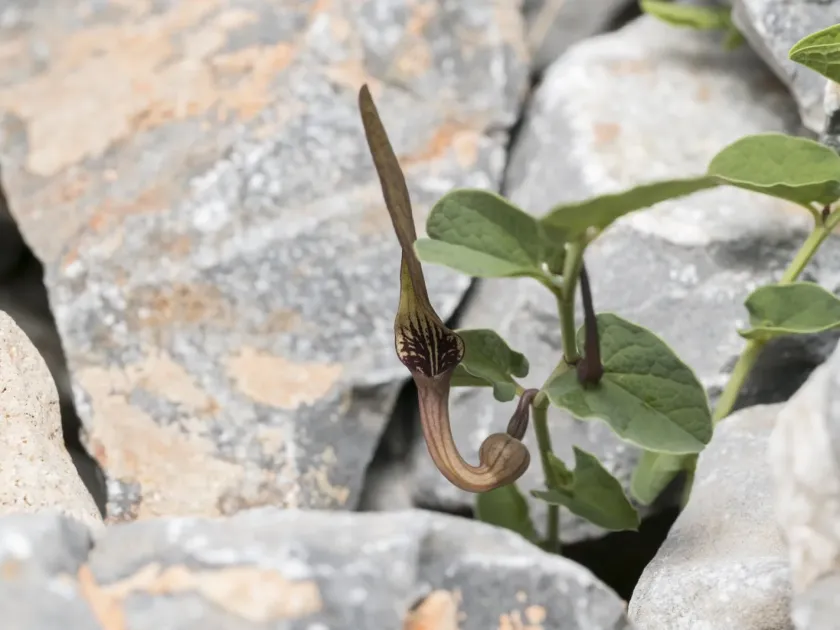
Description
Sowing dates
Aristolochia parvifolia is a perennial herbaceous vine belonging to the Aristolochiaceae family. In agricultural and horticultural practices, propagation is primarily achieved through seed germination or vegetative division of mature root systems.
Sowing in open fields is typically performed in the autumn to allow for natural cold stratification during the winter months. For greenhouse propagation, seeds should be sown in early spring after being held in cold storage to break dormancy.
The optimal germination temperature ranges from 15 to 20 degrees Celsius. Maintaining a consistent moisture level in the growth medium is crucial for successful emergence, although waterlogging must be avoided to prevent seed rot.
Seeds are placed at a shallow depth of approximately 1 to 2 centimeters. It is recommended to cover the sowing area with a thin layer of sand or organic mulch to prevent crusting of the soil surface and maintain a stable micro-environment for the seedlings.
Germination is relatively slow and uneven. Proper management during the early growth stages is essential, requiring diligent weeding to ensure that the delicate seedlings are not outcompeted by more aggressive plant species.
Growing requirements
The crop thrives in well-drained, fertile soils with a neutral pH. Aristolochia parvifolia is highly sensitive to soil compaction and water stagnation, both of which can significantly inhibit root development and overall plant health.
Ideal planting sites are those receiving dappled sunlight or partial shade. Exposure to intense, direct afternoon sun can cause leaf scorch and dehydration, particularly in regions with high ambient temperatures during the summer.
Climatic requirements focus on moderate humidity levels and protection from strong, drying winds. While the plant is moderately winter-hardy, younger specimens benefit from protective winter covers in colder temperate zones.
Agrotechnical maintenance includes the application of balanced organic fertilizers in the spring to encourage robust vegetative growth. Potassium-rich fertilizers can be applied later in the season to improve the plant's resilience before dormancy.
Regular, deep irrigation is preferred over frequent, shallow watering. Proper spacing between individual plants is necessary to ensure adequate air circulation, which is a key factor in preventing moisture-related physiological issues.
Main diseases and pests
The primary pests affecting Aristolochia parvifolia include aphids and spider mites. These insects feed on the sap of the plant, causing stunted growth, yellowing of leaves, and potential transmission of viral diseases.
Powdery mildew is the most common fungal disease, often triggered by poor air circulation and high humidity levels around the foliage. It manifests as a white, dusty layer on the leaves, leading to chlorosis and premature leaf drop.
Root rot is a significant risk, typically caused by overwatering or soil conditions that lack proper aeration. Management of this condition involves immediate correction of the drainage systems and the judicious use of soil fungicides if necessary.
Integrated pest management strategies are recommended, focusing on early detection and the use of insecticidal soaps or biological controls. Manual removal of infested foliage can often be sufficient for small-scale cultivation.
Maintaining the structural integrity of the plant through correct pruning techniques helps to remove dead or diseased stems, which reduces the potential reservoir for future pest and pathogen outbreaks.