
Aristolochia pallida
Aristolochia pallida
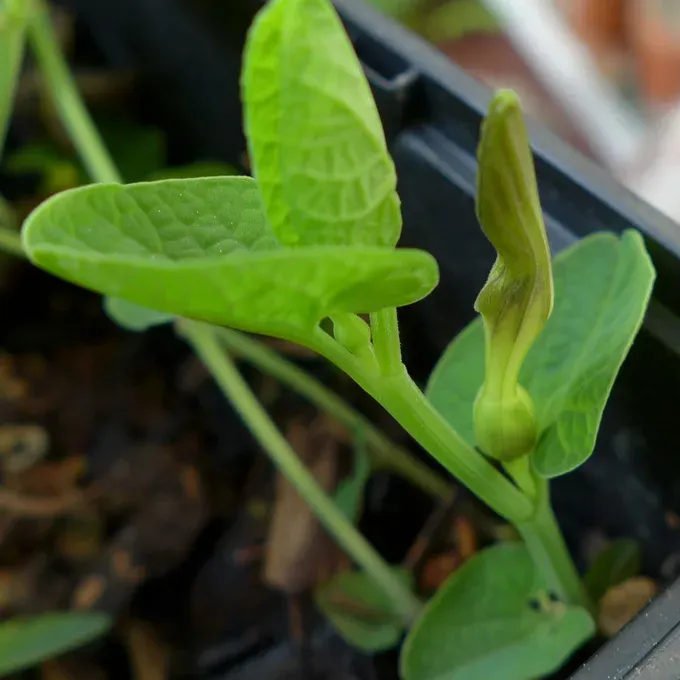
Description
Growing requirements
Aristolochia pallida, commonly known as a species of birthwort, is a herbaceous perennial plant belonging to the Aristolochiaceae family. It is native to Southern and Central Europe, naturally inhabiting regions with a temperate climate.
The plant features a distinct tuberous rhizome and stems that reach a height of 15 to 40 cm. The leaves are typically heart-shaped or reniform, arranged alternately along the stem, displaying the characteristic morphology of the genus.
The species requires fertile, well-drained soils rich in organic matter. A neutral or slightly alkaline pH is ideal for promoting healthy growth, while heavy, clay-based soils that retain too much moisture should be avoided to prevent root damage.
Light requirements are focused on partial shade conditions. Exposure to intense, direct sunlight can damage the leaves, so the plant performs best when situated in sheltered garden locations with dappled light throughout the day.
Temperature management is critical during the establishment phase. The plant is moderately hardy but needs protection in colder climates to prevent the rhizomes from freezing during winter, especially if there is a lack of protective snow cover.
Main diseases and pests
Root rot caused by fungal pathogens is the primary threat to the vitality of Aristolochia pallida. This is usually triggered by waterlogged soil conditions, which inhibit gas exchange in the root system and foster decay.
Aphids represent the most significant pest concern, particularly during the spring growth flush. These insects colonize the tender shoots and undersides of leaves, extracting sap and weakening the plant's structural integrity.
Leaf-eating insects, including specific caterpillar species, can also damage the foliage. While these pests are a natural part of the ecosystem, their presence in high concentrations can severely impact the plant's photosynthetic capacity.
Effective management includes maintaining good air circulation within the planting area to discourage fungal growth. Proper irrigation schedules are essential to ensure the soil remains moist but not saturated at any point.
In case of pest infestation, integrated pest management practices should be followed. Manual removal or the application of organic soap-based sprays is generally preferred to minimize the chemical impact on the plant's delicate tissues.