
Aristolochia paecilantha
Aristolochia paecilantha
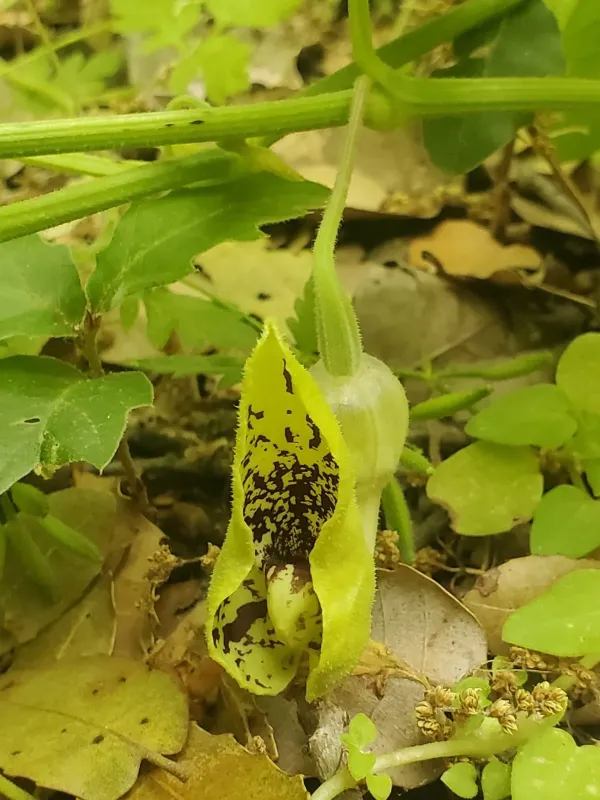
Description
Sowing dates
Sowing seeds of Aristolochia paecilantha should ideally take place in early spring following a period of cold stratification to break dormancy. This process is essential for achieving a uniform germination rate and ensuring that the seedlings develop strong root systems early in the season.
A well-draining, lightweight seed-starting mix is recommended to prevent waterlogging, which is a common cause of seed failure in this species. Seeds should be planted at a depth of approximately one centimeter in containers kept in a controlled, warm environment until emergence.
Maintaining a temperature range between 20 and 22 degrees Celsius is crucial for consistent growth. Once the first true leaves appear, seedlings should be carefully pricked out and transferred into individual pots to avoid competition and promote vigorous development.
Hardening off the young plants is a vital step before moving them to their permanent outdoor locations. This gradual exposure to exterior conditions reduces transplant shock and helps the young vines adapt to wind and fluctuating temperatures.
Transplanting into the ground should only occur once all danger of frost has passed. Incorporating organic matter into the soil at the time of planting will provide the necessary nutrients for the initial establishment of the vine.
Growing requirements
Aristolochia paecilantha is a vigorous perennial vine belonging to the Aristolochiaceae family, which requires sturdy vertical support to thrive. It performs best in sites with partial to full sun, though protection from harsh midday heat is often beneficial in hotter regions.
The plant demands rich, well-draining soil with a neutral to slightly acidic pH. Heavy or compacted soils should be amended with compost or coarse sand to improve drainage, as the root system is sensitive to prolonged exposure to saturated soil conditions.
Regular irrigation is necessary throughout the growing season to maintain soil moisture without creating waterlogged conditions. During the peak of summer, mulch around the base of the plant can help regulate soil temperature and retain moisture for the roots.
Fertilization with a balanced, slow-release fertilizer in early spring supports strong shoot production throughout the summer. Supplemental feeding with a potassium-rich fertilizer in late summer can assist in preparing the plant for dormancy.
Maintenance pruning is recommended to control the size of the vine and to remove any dead or damaged wood. Proper airflow within the canopy is essential for keeping the plant healthy and minimizing the risk of disease.
Main diseases and pests
The main pests that may affect Aristolochia paecilantha include aphids and spider mites, particularly when growing conditions become too dry. These insects congregate on the undersides of leaves and on tender new shoots, leading to stunted growth if left unmanaged.
Fungal issues, such as powdery mildew, may occur if the plants are placed too closely together, preventing adequate air circulation. Root rot is a significant threat if the soil remains too wet for extended periods, necessitating careful monitoring of the watering schedule.
Preventative measures include regular inspection of the foliage and keeping the garden area clean of debris where pests might overwinter. If an infestation is detected, immediate action using horticultural soaps or appropriate insecticides is advised to prevent spread.
Vigilance regarding soil drainage is the most effective way to prevent root-related pathogens. Should any signs of wilting or discoloration appear, the immediate environment of the root zone should be inspected and corrected as necessary.
- Sanitize pruning tools after use to prevent cross-contamination.
- Ensure adequate spacing between plants to promote airflow.
- Apply preventative fungicide if the weather is consistently humid.