
Aristolochia odoratissima
Aristolochia odoratissima
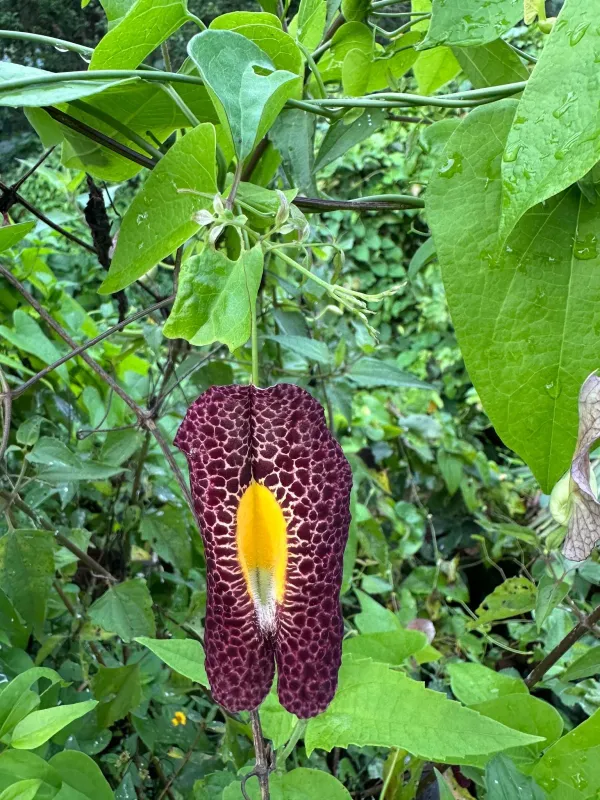
Description
Sowing dates
Aristolochia odoratissima is a perennial climbing plant belonging to the Aristolochiaceae family. In agricultural practice, this culture is propagated primarily through seeds or vegetative methods such as layering.
Seeds should be sown in the fall for outdoor conditions to benefit from natural stratification. When using a nursery method, seeds are planted in containers in early spring at a stable temperature of +20°C.
Germination can be irregular, so maintaining consistent moisture in the growing medium is essential for achieving a high percentage of viable seedlings.
Vegetative propagation via stem cuttings is best performed in mid-summer. Cuttings are rooted in protected greenhouses with high humidity levels to ensure successful development of the root system.
Transplanting to the permanent location should only occur after the last frost, providing the plant with the necessary vertical supports for its climbing nature.
Growing requirements
The plant thrives in fertile, loose, and well-drained soils with a neutral to slightly acidic pH. Avoiding waterlogging is critical to preventing root rot issues.
While the species prefers sunny locations, it benefits from light shade during intense summer heat to prevent foliage scorching and water loss.
Regular irrigation is necessary throughout the growing season, especially during dry spells, to maintain healthy vegetative growth and prevent leaf drop.
Organic fertilization, such as compost or humates, applied in the early spring supports robust growth of the stems and prepares the plant for the flowering cycle.
In regions with cold winters, young plants require protective mulching and covering during their first two years to ensure survival until they are fully established.
Yield
The commercial value of Aristolochia odoratissima lies in its biomass and aromatic properties. Yield efficiency is directly proportional to the density of the planting and the quality of the support structures.
Harvesting for material processing is recommended during the peak flowering stage when the concentration of essential secondary metabolites is highest.
Vertical cultivation is the most effective approach for this species, maximizing land use efficiency and simplifying the harvesting process for agricultural labor.
With proper pruning and maintenance, a single mature vine can produce significant amounts of biomass annually for many years.
Consistent agricultural management, including rejuvenating pruning, ensures that the plantation remains productive for a long-term cycle of up to 15 years.
Main diseases and pests
The main pests affecting this culture include aphids and spider mites, which tend to proliferate in hot, dry climates where the plant is under water stress.
Root rot is a major threat caused by poor soil drainage or excessive irrigation, which can compromise the structural integrity of the entire vine.
Fungal issues like powdery mildew may arise if there is poor air circulation between the vines, necessitating proper spacing and regular thinning of shoots.
Integrated pest management, including the use of biological control agents, is recommended to keep the plant healthy without compromising the quality of the harvested material.
Sanitary pruning, which involves removing diseased or damaged parts of the plant, is an essential practice to maintain the health of the entire plantation.