
Aristolochia navicularis
Aristolochia navicularis
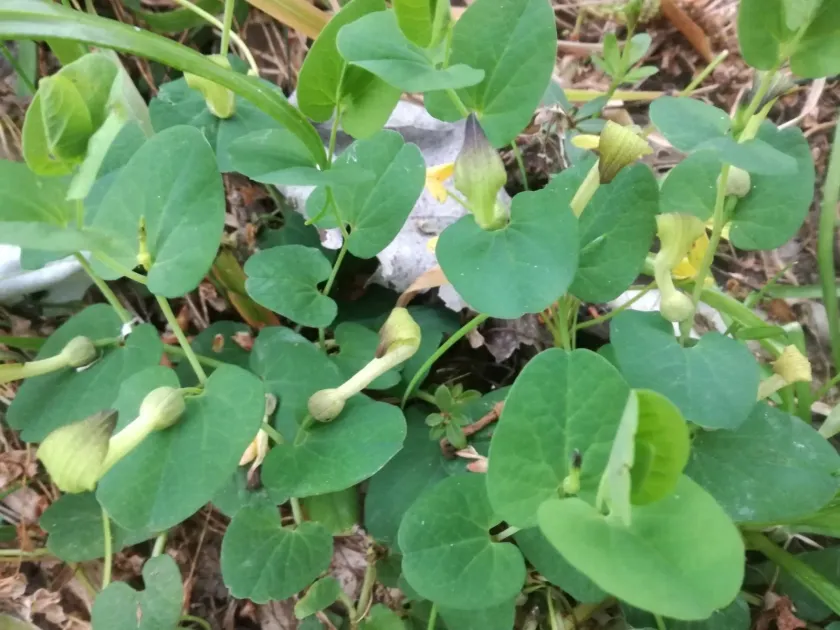
Description
Sowing dates
The cultivation of Aristolochia navicularis begins with proper seed preparation, involving a cold stratification process lasting at least two months. This step is essential to overcome seed dormancy and ensure successful germination.
The optimal time for sowing is early spring. Seeds should be sown in a high-quality, loose substrate that provides excellent drainage while maintaining adequate moisture levels for the delicate embryos.
When sowing, cover the seeds with a very light layer of soil or fine sand. It is critical to avoid burying them too deep, as this can hinder the emergence of the young shoots in the initial stages.
Seedlings should be grown in protected environments such as greenhouses until they establish a strong root system. Gradually exposing them to outdoor conditions helps prepare them for transplanting into the landscape.
Once established, the young plants require consistent care, including protection from harsh winds and direct sunlight. Proper spacing is necessary to ensure each plant has enough room for horizontal and vertical expansion.
Growing requirements
Aristolochia navicularis thrives in rich, fertile, and well-drained soils. Adding organic matter, such as compost or humus, significantly enhances the soil structure and provides the nutrients necessary for rapid growth.
Water management is a cornerstone of success for this species. It prefers a consistently moist environment but must not be waterlogged, as excess moisture can lead to root rot and other physiological disorders.
In terms of light, the plant performs best in partial shade. While it requires light to grow, intense, direct sunlight during the afternoon can cause leaf scorching and reduce the overall aesthetic value of the plant.
Nutrient supplementation is required during the active growing season. Nitrogen-rich fertilizers are beneficial for vegetative growth, while potassium-based amendments help in hardening the vines before winter.
Support structures are mandatory for this climbing species. Providing sturdy trellises or vertical supports encourages the plant to reach its full height and maximizes its decorative potential in the garden.
Main diseases and pests
Common pests associated with this culture include aphids and spider mites. These pests thrive in dry environments and can quickly sap the vitality of the plant if left unchecked by integrated pest management.
Powdery mildew is the most frequent fungal disease, often appearing as a white, dusty film on the leaves. Increasing airflow between plants and avoiding overhead irrigation can help reduce the prevalence of this disease.
Root rot caused by fungal pathogens often occurs in poorly drained soils. Maintaining proper drainage and avoiding excessive irrigation are the primary cultural methods for preventing these soil-borne threats.
Regular monitoring of the foliage and stems is recommended throughout the season. Early detection of any discolored patches or wilting can prevent small issues from developing into significant infestations.
Sanitation practices, such as the removal of dead or diseased biomass, should be strictly followed. This keeps the environment clean and reduces the inoculum load for recurring diseases in subsequent seasons.