
Aristolochia nardiana
Aristolochia nardiana
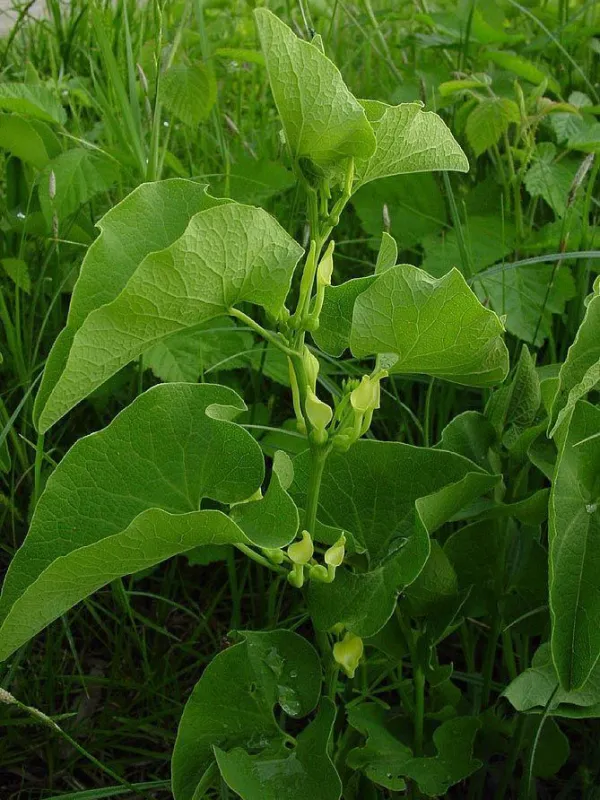
Description
Growing requirements
Aristolochia nardiana is a distinct species belonging to the Aristolochiaceae family, known for its unique evolutionary adaptations and specialized growth patterns. It represents a group of plants that typically thrive in isolated, often rocky environments within its native range.
The plant demonstrates a strong preference for well-drained, limestone-based soils. Effective drainage is the most vital factor for the health of Aristolochia nardiana, as its root system is highly susceptible to rot caused by excessive soil moisture and poor oxygen circulation.
Regarding climate, this species requires a stable environment that mimics its natural habitat, characterized by warm, dry summers and moderate winters. It performs best in locations that provide plenty of bright, indirect sunlight, avoiding harsh, direct exposure during the peak heat of the day.
Maintenance of this crop involves careful observation of moisture levels, especially during the establishment phase. Irrigation must be precise; the soil should be allowed to dry out between watering sessions to ensure the continued vigor of the plant's vascular system.
Agricultural management should focus on maintaining a balanced soil microflora. Excessive application of synthetic fertilizers can lead to stunted development or vulnerability to physiological disorders. Proper spacing is essential to ensure adequate air circulation around the foliage, reducing the risk of fungal proliferation.