
Aristolochia maurorum
Aristolochia maurorum
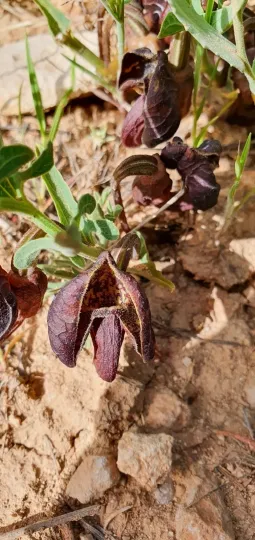
Description
Growing requirements
Aristolochia maurorum is a perennial herbaceous plant belonging to the Aristolochiaceae family. It is recognized for its unique adaptation to arid environments and specialized ecological niche in Mediterranean and Middle Eastern regions.
The plant thrives in well-drained, nutrient-poor, or rocky substrates. It exhibits a high degree of drought tolerance, supported by an extensive underground rhizome system that allows the plant to survive prolonged dry spells throughout the growing season.
Botanically, it is characterized by its complex, tubular flowers designed for pollination. The foliage is typically sparse to reduce transpiration, and the plant structure is optimized for efficient resource management in high-temperature climates.
Cultivation requirements focus on maintaining soil aeration and avoiding waterlogging. For optimal development, the crop requires full sun exposure and minimal soil competition, making site selection a critical factor for agricultural success.
The economic value of this species is primarily centered on its potential in medicinal research. Due to the presence of specific bioactive compounds, large-scale cultivation requires precise harvesting techniques and post-harvest handling to preserve the active ingredients.
Main diseases and pests
The main threats to Aristolochia maurorum are predominantly related to soil health and moisture levels. Fungal pathogens affecting the roots pose the most significant risk to plantation longevity.
Excessive irrigation or poor soil structure can trigger root rot, leading to the sudden decline of the plant. Ensuring an adequate drainage system is the most effective preventative measure against these soil-borne threats.
While the plant is somewhat resistant to many common pests, certain foliage-feeding insects can cause damage during the succulent growth phase. Integrated pest management should prioritize cultural controls over chemical interventions.
Weed control is essential, as the species is sensitive to competition for nutrients and solar radiation. Regular weeding and maintaining adequate spacing between plants are necessary to reduce the prevalence of opportunistic pathogens.
Continuous monitoring of the plantation’s health is necessary. Any signs of discoloration or wilting should be addressed immediately through soil inspection and moisture adjustment to prevent the rapid spread of infections.