
Aristolochia manshuriensis
Aristolochia manshuriensis
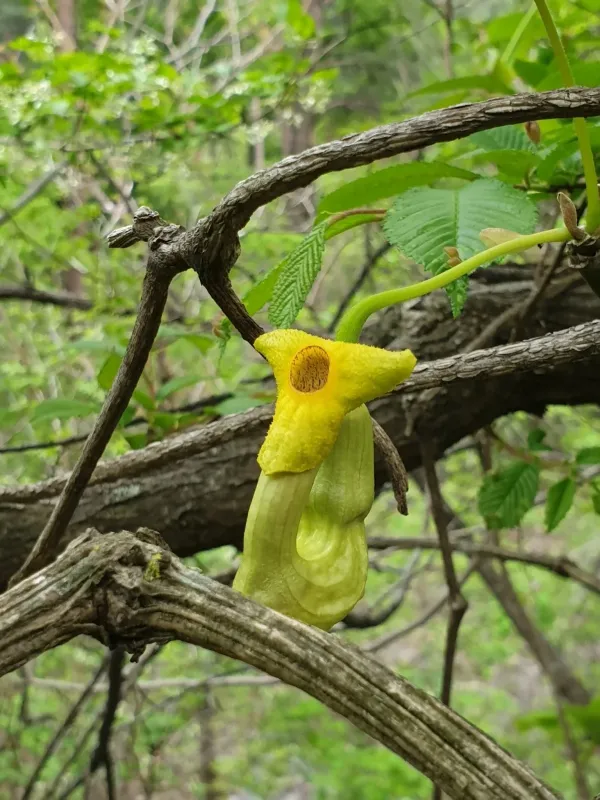
Description
Sowing dates
Sowing seeds of Aristolochia manshuriensis requires pre-stratification for one to two months at temperatures between +1°C and +5°C to break dormancy. Spring is the ideal time to sow, once the soil has warmed up sufficiently.
Seeds should be sown at a depth of approximately 2 cm in a light, nutrient-rich soil mix. Consistent moisture is crucial for germination, although waterlogging should be strictly avoided to prevent seed rot.
Given the slow and irregular germination rate, starting seeds in a greenhouse or cold frame is often more effective. Seedlings should be grown in containers until they are robust enough to be transplanted outdoors.
Vegetative propagation via cuttings is a common practice for this species. Semi-hardwood cuttings taken in early summer provide a reliable way to multiply plants while maintaining the characteristics of the parent vine.
Careful handling of the roots is necessary during transplanting. The plant needs to be placed in its permanent position where it can establish its root system without further disturbance for several years.
Growing requirements
Aristolochia manshuriensis is a vigorous woody climber belonging to the Aristolochiaceae family. Originating from the forests of East Asia, it is well-known for its large, heart-shaped leaves and unique pipe-shaped flowers.
The plant thrives in fertile, well-drained, and moisture-retentive soils. A neutral to slightly acidic pH is preferred, and soil should be enriched with organic matter like compost to support rapid growth.
While the vine is hardy, it benefits from sheltered locations protected from strong, drying winds. It grows best in partial shade, as intense direct sunlight can scorch the foliage, while deep shade may reduce its density.
Sturdy, tall support structures are essential. Since this vine can reach significant heights, ensuring the trellis or fence is robust enough to handle the weight of the mature plant is a key part of cultivation.
Regular maintenance includes consistent watering during the growing season and seasonal pruning to control size and shape. Mulching the base helps retain moisture and keeps the roots cool during hot summer months.
Main diseases and pests
This species is generally resilient and rarely suffers from severe pest or disease issues. However, excessive soil moisture can predispose the root system to fungal pathogens, necessitating good drainage.
Aphids and spider mites may occasionally infest the young, tender growth. Integrated pest management, including the use of insecticidal soaps or neem oil, is typically sufficient to manage these populations.
Slugs and snails can cause cosmetic damage to the foliage, especially in damp conditions. Keeping the base of the plant free of debris and weeds can significantly reduce these pest populations.
Powdery mildew might appear if air circulation is insufficient within the dense canopy. Pruning to open the plant structure improves airflow and significantly reduces the risk of fungal outbreaks.
Proper plant hygiene and providing optimal growing conditions are the most effective strategies for long-term health. Regularly inspecting the leaves and stems ensures that any potential issues are addressed early.