
Aristolochia labiata
Aristolochia labiata
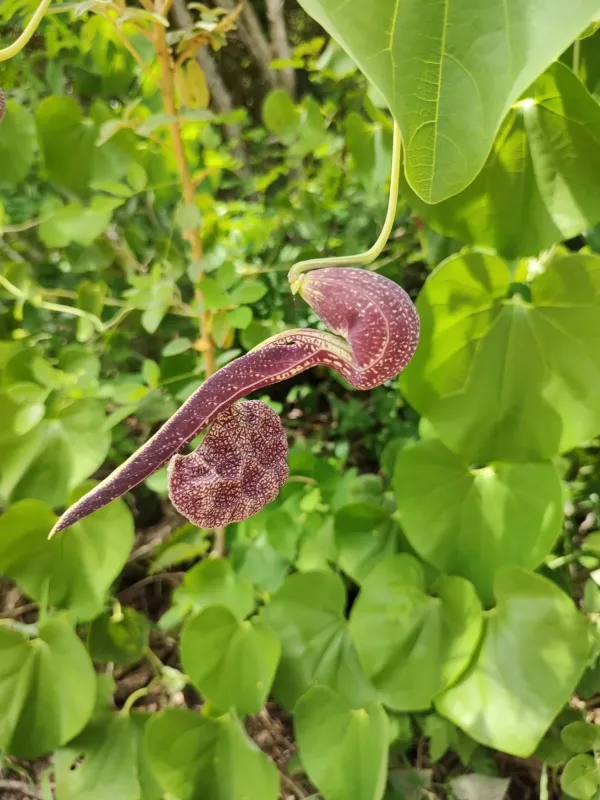
Description
Sowing dates
Seeds of Aristolochia labiata are typically sown in early spring in well-prepared seed beds. Due to the hard seed coat, pre-soaking or stratification is highly recommended to improve germination rates in temperate climates.
Sowing should be done in a nutrient-rich, peat-based mix to ensure adequate moisture retention. Placing the containers in a warm, greenhouse-like environment significantly boosts the success of seedling emergence during the first few weeks.
Once seedlings reach a height of approximately 10-15 centimeters, they can be hardened off for transplanting. It is vital to avoid disturbing the root ball during this process, as Aristolochia species are notoriously sensitive to transplant shock.
Vegetative propagation via semi-hardwood cuttings is an alternative to seeds, often resulting in more uniform plants. These cuttings should be taken in late summer and rooted in a mist chamber with bottom heat for optimal results.
Strategic placement at the time of sowing is essential because these vines can grow rapidly and require substantial structural support. Choosing a permanent location immediately prevents future damage to the root system.
Growing requirements
Aristolochia labiata is a member of the Aristolochiaceae family and is native to the tropical regions of South America. It is a vigorous, woody climber known for its uniquely shaped, pipe-like flowers which are a major botanical attraction.
The ideal soil for this crop is rich, well-draining loam with a slightly acidic to neutral pH. Proper aeration is crucial; therefore, adding organic compost or perlite to the soil mix ensures that the roots receive sufficient oxygen and nutrients.
Light requirements involve bright, indirect light rather than direct, harsh sunlight, which can scorch the foliage. In outdoor settings, providing a dappled shade environment helps the plant maintain its lush green appearance throughout the growing season.
Watering frequency should be adjusted based on the growth stage and local climate. During the active growth period, the plant requires consistent moisture, while in the winter, watering should be reduced to prevent root rot in dormant specimens.
Temperature management is vital, as this plant is essentially tropical. In regions with freezing temperatures, it must be overwintered indoors or in a climate-controlled greenhouse to avoid catastrophic damage to the vine's vascular system.
Main diseases and pests
Spider mites represent a significant threat to Aristolochia labiata, especially in environments with low humidity. Regular misting and the use of insecticidal soaps can manage these populations before they cause visible damage to the leaves.
Fungal infections, particularly those affecting the roots, are primarily caused by over-irrigation. Ensuring a strict dry-down period between waterings is the most effective cultural practice to prevent these pathogens from colonizing the soil.
Powdery mildew may manifest as a white film on leaves when air circulation is poor. Thinning out the vine's canopy encourages better airflow and reduces the micro-climate humidity that fungi require to thrive.
Aphids tend to colonize new, succulent shoots during the spring growth flush. Using natural predators like ladybugs or targeted organic sprays is highly recommended for commercial and domestic growers alike.
Sanitation remains the best defense against pests and disease. Removing fallen leaves and pruning dead wood annually keeps the plant healthy and prevents the accumulation of inoculum that could lead to widespread infections.