
Aristolochia kwangsiensis
Aristolochia kwangsiensis
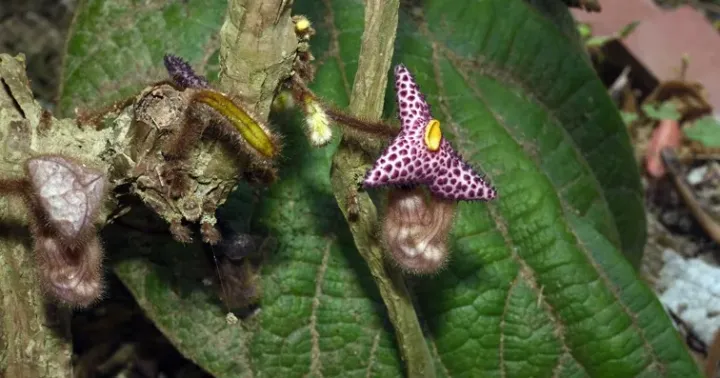
Description
Growing requirements
Aristolochia kwangsiensis is a woody perennial vine belonging to the Aristolochiaceae family. It is primarily found in the subtropical regions of Guangxi, China, where it occupies the understory of forest ecosystems.
The plant thrives in semi-shaded environments with high humidity. To cultivate this species successfully, it is essential to mimic its natural forest habitat, providing diffuse sunlight and protection from direct, scorching solar radiation.
Soil conditions must be rich in humus, loose, and possess excellent drainage properties. A slightly acidic to neutral soil pH is ideal, provided there is adequate aeration to prevent root suffocation or fungal proliferation.
Climate requirements include moderate temperatures and protection from freezing winter conditions. In regions outside its native range, the plant often requires greenhouse or high-tunnel cultivation to maintain stable moisture and heat levels.
Agrotechnical practices involve regular irrigation and the use of organic mulch to keep the root zone cool. Proper trellising is mandatory to support the rapid upward growth of the vine, ensuring healthy leaf development and flowering.
Harvesting
The harvest of Aristolochia kwangsiensis is directed towards the procurement of vegetative material for pharmacological studies. The stalks and leaves are carefully harvested during the peak of the growth season when bioactive compounds are most abundant.
Harvesting techniques prioritize the sustainability of the planting. Workers typically select mature branches, leaving younger shoots to ensure the plant recovers and continues to thrive in subsequent growing seasons.
Following harvest, the material is subjected to controlled drying processes. Maintaining specific temperature and humidity parameters is vital to stabilize the phytochemical profile of the raw plant material.
Industrial usage often focuses on the extraction of alkaloids for research. Because of the complexity of the compounds found in this genus, processing is conducted in specialized facilities under stringent quality control standards.
Consistent yield is dependent on the management of soil nutrient levels and the prevention of moisture stress throughout the plant's life cycle, ensuring high-quality, sustainable production for future industry needs.