
Aristolochia kaempferi
Aristolochia kaempferi
Description
Growing requirements
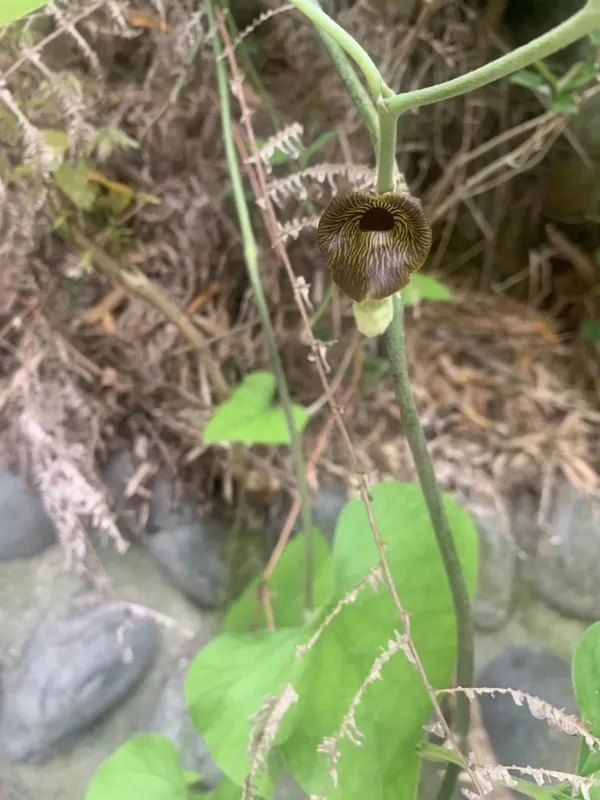
Aristolochia kaempferi is a woody, deciduous climbing plant belonging to the Aristolochiaceae family. Originating from East Asia, this species is noted for its unique, pipe-shaped flowers and dense foliage that serves as an excellent natural screen for garden structures.
The plant thrives in partial shade, as it is naturally adapted to forest edges and woodland environments. While it can tolerate some sun, it is crucial to protect the root zone from overheating by using mulch, which mimics the natural forest floor conditions.
Rich, moist, and well-draining soil is essential for the healthy growth of this vine. If the soil is too heavy or waterlogged, the roots are highly susceptible to decay. Incorporating compost or well-rotted manure during the planting process significantly improves the soil structure and nutrient availability.
Regular maintenance involves providing strong, vertical support for the vigorous vines. As the plant climbs, it needs to be carefully trained to cover the trellis or wall evenly. Pruning should be done in early spring to remove dead wood and encourage new growth.
In temperate climates, Aristolochia kaempferi requires protection during severe winter months. Applying a deep layer of organic mulch around the base of the plant helps to insulate the root system against deep freezing temperatures and ensures successful re-sprouting in the spring.
Main diseases and pests
Fungal pathogens such as root rot represent the primary threat to the health of the plant, often triggered by poor drainage or overwatering. Maintaining a strictly regulated irrigation schedule is the most effective way to prevent these issues from becoming established.
Pests, particularly aphids, are frequently attracted to the soft, developing growth at the tips of the vines. If left untreated, severe infestations can stunt the growth of the plant. Regular monitoring and the application of horticultural oils or insecticidal soap are recommended for integrated pest management.