
Aristolochia heterophylla
Aristolochia heterophylla
Description
Growing requirements
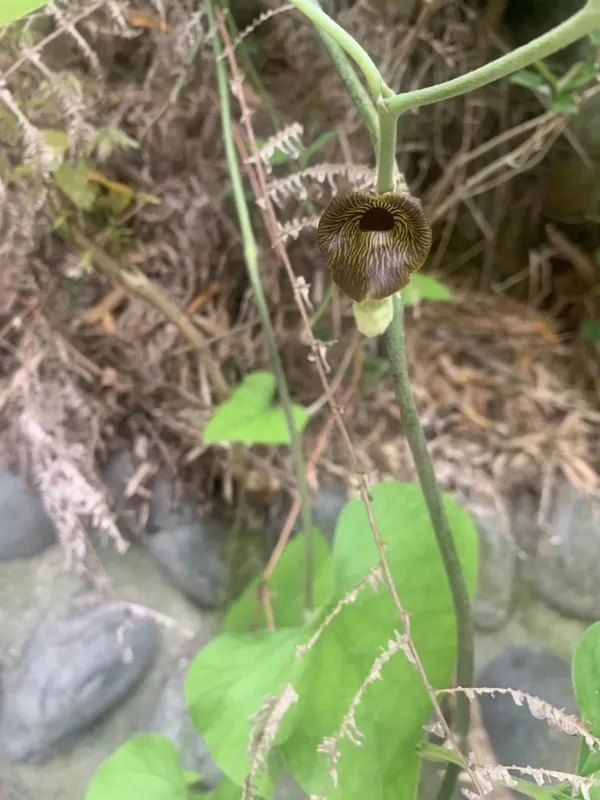
Aristolochia heterophylla is a perennial woody vine belonging to the Aristolochiaceae family. It is highly valued in horticulture for its dense, heart-shaped foliage and distinctive, pipe-shaped flowers that add architectural interest to any garden.
Originating from regions in China, this climbing plant thrives in temperate climates. It is frequently used for vertical screening, as its rapid growth rate allows it to cover large structures such as pergolas and trellises quickly.
This species requires well-drained, nutrient-rich soil to reach its full potential. While it prefers sunny locations for optimal flowering, it is notably tolerant of partial shade, making it versatile for various landscape designs.
The plant demonstrates good adaptability to different soil types, provided that the drainage remains efficient. Consistent moisture levels are required, especially during the establishment phase, to ensure healthy root development.
Proper maintenance of the vine includes the installation of sturdy supports during the early stages of growth. As the plant is a vigorous climber, regular pruning is necessary to manage its size and promote lush, healthy foliage.
Main diseases and pests
Common health issues in Aristolochia heterophylla are often linked to improper soil moisture, specifically root rot caused by stagnant water. Ensuring the soil is light and porous is the primary defense against these pathogens.
Aphids represent a frequent pest challenge, particularly in the spring when tender new shoots emerge. These insects can quickly colonize the plant, affecting the vitality of the leaves if left untreated.
Spider mites can also become a problem during periods of low humidity and high temperatures. Regularly spraying the foliage with water helps to maintain proper moisture levels and discourages these pests from settling.
To prevent disease outbreaks, keep the area around the base of the plant free from decaying organic matter. Proper ventilation within the leaf canopy is also crucial for reducing the risk of fungal infections.
In cases of severe infestation, specialized systemic insecticides or horticultural oils may be used. Always ensure the chosen treatment is applied according to environmental safety standards to protect beneficial insects.