
Aristolochia goldieana
Aristolochia goldieana
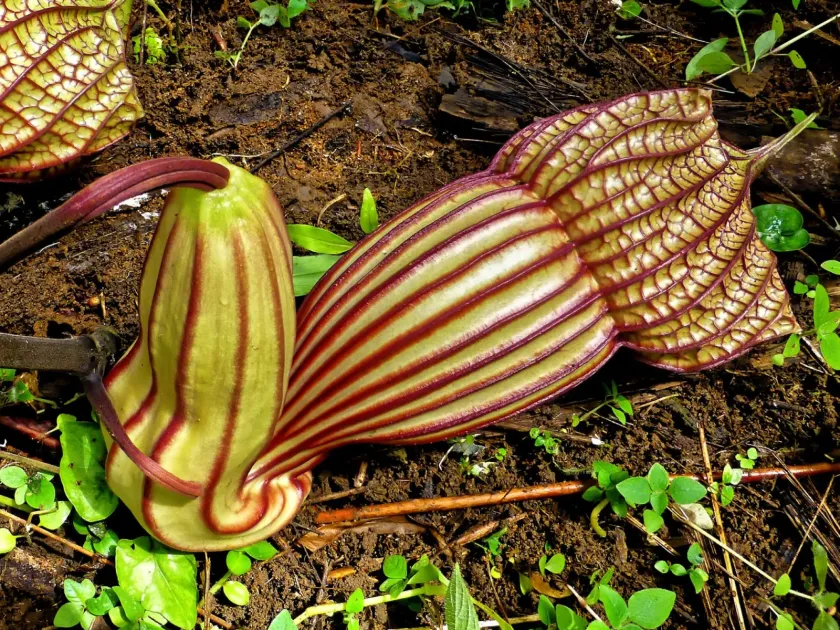
Description
Growing requirements
Aristolochia goldieana is a fascinating woody climber native to the tropical rainforests of West Africa, belonging to the Aristolochiaceae family. It is renowned for producing some of the largest and most intricately shaped flowers within the entire genus.
As a tropical species, this plant demands high humidity and a warm environment to thrive. It is typically found in shaded or semi-shaded understories in its native range, adapting to filter sunlight through dense forest canopies.
Soil requirements for this species include a rich, well-draining substrate that remains consistently moist without becoming waterlogged. Incorporation of organic matter is highly beneficial for sustained growth and nutrient uptake.
Cultivation outside of its natural habitat is almost exclusively limited to controlled environments such as conservatories or botanic garden glasshouses. Providing adequate space for the vigorous climbing habit is crucial for successful plant management.
Maintenance involves routine monitoring of environmental parameters. It is essential to ensure that temperatures do not drop, as the species lacks cold tolerance and is highly susceptible to chilling injury, which can be fatal.
Main diseases and pests
Common pests associated with Aristolochia goldieana in indoor collections include spider mites, which thrive in dry air conditions. Regular misting and proper climate control are effective preventative measures.
Root rot is the most significant threat to this vine, often triggered by over-irrigation or compacted, non-porous soil media. Ensuring excellent drainage is the primary defense against this pathogen.
Mealybugs can infest the leaf axils and stems, necessitating manual removal or the application of suitable horticultural oils. Early detection is vital to prevent widespread infestation.
Nutrient deficiencies, specifically nitrogen or magnesium, may manifest as leaf chlorosis, especially if the plant is grown in a limited volume of substrate for an extended period.
Fungal leaf spot diseases may appear if the foliage remains wet for prolonged periods without adequate air circulation, emphasizing the importance of space and ventilation in the growing area.