
Aristolochia fontanesii
Aristolochia fontanesii
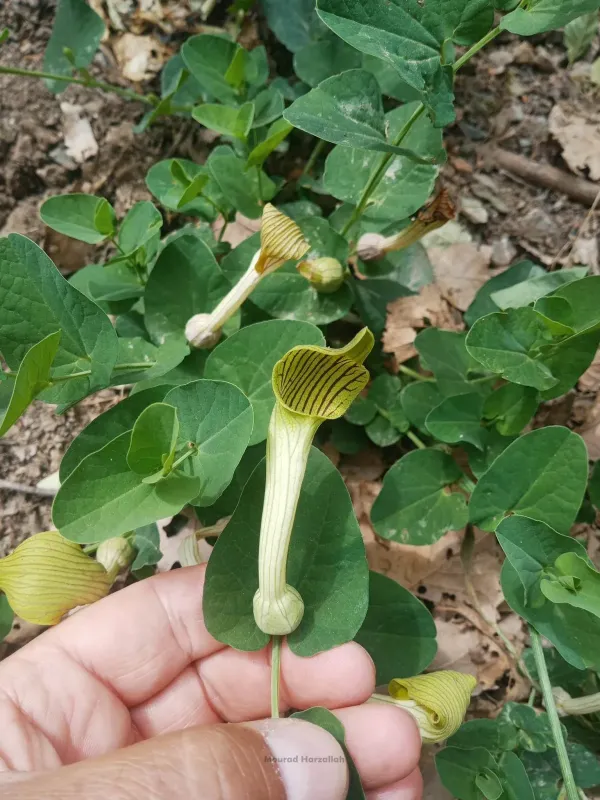
Description
Sowing dates
Vegetative propagation via cuttings is the most reliable method for reproducing Aristolochia fontanesii, ensuring the preservation of the plant's unique phenotypic traits.
Transplanting into the permanent outdoor site should ideally take place during the spring after the danger of late frost has passed, allowing roots to establish.
For seed propagation, it is necessary to undergo a cold stratification period, which effectively breaks seed dormancy and improves overall germination rates.
Proper spacing is crucial for these vines; maintaining at least 1.5 meters between individual plants allows for maximum airflow and prevents overcrowding.
Applying a high-quality starter fertilizer at the time of planting provides the necessary nutrients for the plant to begin its initial vigorous growth cycle.
Growing requirements
Aristolochia fontanesii belongs to the Aristolochiaceae family and is recognized for its large, heart-shaped leaves and highly complex, pipe-shaped blossoms.
The culture thrives in fertile, well-draining loam soils that remain consistently moist, as it is highly sensitive to both waterlogging and severe drought.
Partial shade is generally considered the ideal exposure, although the plant can tolerate full sun if the soil moisture levels are meticulously maintained.
Vertical growth habit necessitates strong trellis support, as the stems of this plant require a solid structure to climb effectively throughout the growing season.
During the peak vegetative stage, mulching is recommended to stabilize soil temperature and retain moisture, which benefits the plant's long-term health and growth.
Main diseases and pests
Aphids and spider mites are the primary pests that can attack the tender foliage of this plant, particularly during spells of hot, dry weather conditions.
Root rot remains the most significant threat if the soil drainage is inadequate, leading to poor aeration and subsequent decline in plant vigor.
Slugs may cause damage to the lower leaves, especially in damp environments, making it important to keep the base of the plant clear of debris.
Fungal diseases, including powdery mildew, can manifest if humidity becomes trapped within dense foliage, necessitating periodic pruning for ventilation.
Strategic monitoring and the application of organic horticultural oils can effectively manage pest populations without harming the plant or its surroundings.