
Aristolochia foetida
Aristolochia foetida
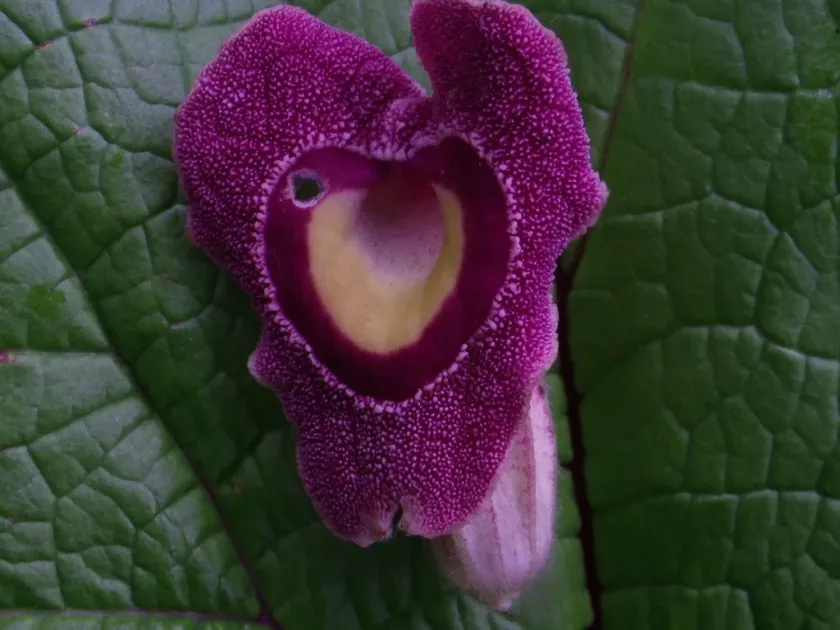
Description
Sowing dates
Sowing Aristolochia foetida seeds is best performed in the early spring once the soil temperature is consistently warm. Proper preparation of the seedbed is essential for successful germination.
Seeds benefit significantly from a cold stratification period of several weeks before sowing. This process mimics natural conditions and breaks dormancy effectively.
In colder regions, starting seeds indoors in greenhouse modules is the preferred method. Sowing in late winter provides enough time for the plant to establish before summer.
Ensure seeds are placed at a shallow depth, typically 1–2 centimeters deep. Cover lightly with a fine, sandy soil mixture to maintain moisture without suffocating the seeds.
Consistency in moisture levels during the germination phase is critical. Use a fine mist spray to keep the surface hydrated until the sprouts emerge.
Growing requirements
Aristolochia foetida is a perennial climbing plant belonging to the Aristolochiaceae family. It requires a specific environment to reach its full development potential.
The soil should be fertile, well-draining, and rich in organic matter. Avoid heavy clay soils that retain excess moisture, as this species is susceptible to root rot.
This plant thrives in full sun but appreciates some light afternoon shade in exceptionally hot climates. Provide sturdy trellises or supports to accommodate its climbing habit.
Maintenance involves regular pruning to keep the plant in bounds and encourage lateral branching. It responds well to balanced liquid fertilizers applied during the peak growing season.
Mulching the base of the plant helps retain soil moisture and suppresses weeds, which can compete with the young, developing root system of the climber.
Main diseases and pests
While generally hardy, Aristolochia foetida can be susceptible to specific pests when growing conditions are not optimal or when humidity levels are excessive.
Root rot is the most significant threat, usually caused by overwatering or poor soil drainage. Improving the soil structure is the best long-term management strategy.
Common insect pests include aphids and spider mites, particularly during dry spells. These can be managed with neem oil or targeted insecticidal soap applications.
Fungal leaf spots can occur if airflow around the foliage is restricted. Ensuring the vines have adequate space between them prevents the spread of pathogens.
Regular monitoring of the plant’s health, especially checking the undersides of leaves, helps identify and address potential infestations early in the season.