
Aristolochia fimbriata
Aristolochia fimbriata
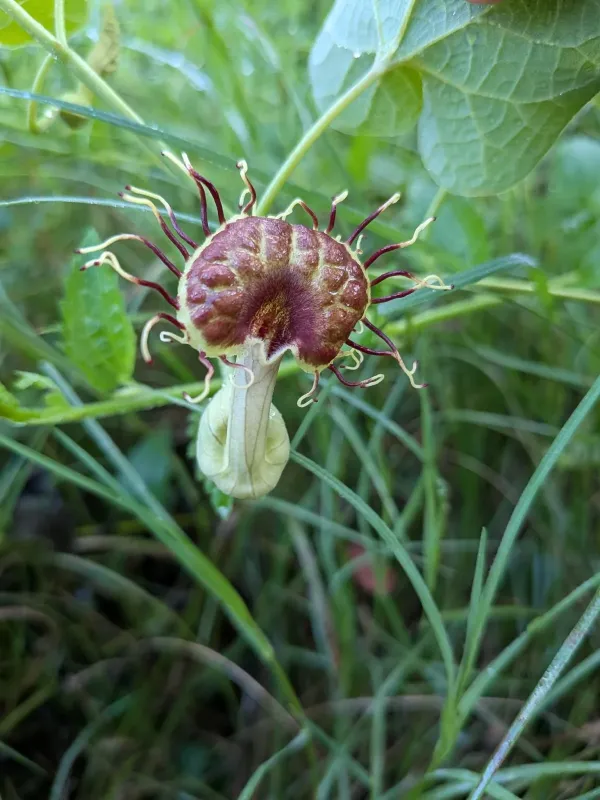
Description
Sowing dates
Sowing seeds of Aristolochia fimbriata should ideally occur in early spring. Starting seeds indoors in late winter, roughly 6 to 8 weeks before the final frost, is recommended to ensure the plants are well-established by the time they move outside.
The seeds benefit significantly from a period of cold stratification. Keeping the seeds in a moist medium in a refrigerator for three to four weeks before sowing can break dormancy and greatly improve overall germination rates.
Use a sterile, well-draining seed-starting mix. Place the seeds on the surface and cover them with a very thin layer of soil, as they require a bit of darkness to germinate effectively. Maintain consistent moisture without waterlogging.
Once seedlings have developed at least two sets of true leaves, they can be transplanted into individual pots. Handle the roots with extreme care, as this species is sensitive to root disturbance during the early development stage.
Hardening off the seedlings is a crucial step before permanent outdoor planting. Gradually expose the plants to outdoor conditions over a week to prevent transplant shock when finally moving them to their permanent garden spot.
Growing requirements
Aristolochia fimbriata, a member of the Aristolochiaceae family, thrives in locations with partial shade. While it can handle some dappled morning sun, excessive afternoon heat can cause leaf scorch, so protection is vital in warmer climates.
The soil must be rich in organic matter and possess excellent drainage qualities. While the plant appreciates moisture, it detests having "wet feet," which can lead to rapid root decay if the drainage is insufficient.
Regular watering is essential, especially during the peak growing season when the vine is actively producing foliage. It is best to water deeply at the base of the plant to encourage strong root development and minimize leaf wetting.
Providing a sturdy support structure is necessary for this climbing vine. Whether using trellises, fences, or wires, ensure the support is stable enough to hold the weight of the dense foliage as the plant matures during the season.
Adding a layer of mulch around the base of the plant helps maintain soil moisture and regulates root temperature. In colder regions, applying a thicker layer of mulch before winter can protect the root system from freezing temperatures.
Main diseases and pests
Aphids are a common pest for this vine, frequently clustering on the tender new growth and leaf undersides. Early detection and treatment with insecticidal soap can effectively prevent these pests from causing significant damage.
Spider mites can become problematic during hot, dry summer months. These tiny pests cause yellowing and stippling of leaves; keeping the humidity around the plant higher can often act as a deterrent to their rapid colonization.
Fungal diseases, including powdery mildew, may affect the plant if air circulation is poor or if the foliage remains wet for too long. Improving spacing between plants can help reduce the humidity buildup that encourages these fungi.
Root rot caused by overwatering is a serious threat to the overall health of the plant. Ensuring that the planting site has excellent drainage and avoiding low-lying areas in the garden is critical to plant longevity.
Regular maintenance, including the removal of dead or yellowing leaves, helps keep the plant vigorous. A healthy, well-nourished vine will naturally have a better defense mechanism against typical garden insects and common fungal pathogens.