
Aristolochia fangchi
Aristolochia fangchi
Description
Growing requirements
Aristolochia fangchi is a perennial climbing plant belonging to the Aristolochiaceae family. It is recognized for its woody stems and unique, pipe-shaped flowers, which are characteristic of its genus.
Originating from the regions of China, this plant thrives in moderate and humid environments. It typically occupies the understory of forest regions, where it requires support to grow vertically towards the available light.
To cultivate this crop effectively, producers must provide structural supports such as trellises or wooden poles. The plant prefers deep, fertile, and well-drained soils, as waterlogging can cause immediate damage to its root system.
Climatic requirements focus on a frost-free growth phase. If grown in cooler zones, greenhouse conditions are mandatory to maintain the steady temperatures required for the plant to develop its biomass throughout the season.
The agricultural management of this plant revolves around nitrogen-rich fertilization during the early stages to promote vegetative growth. Pruning is also essential to direct the plant's energy toward the development of the primary root network.
Harvesting
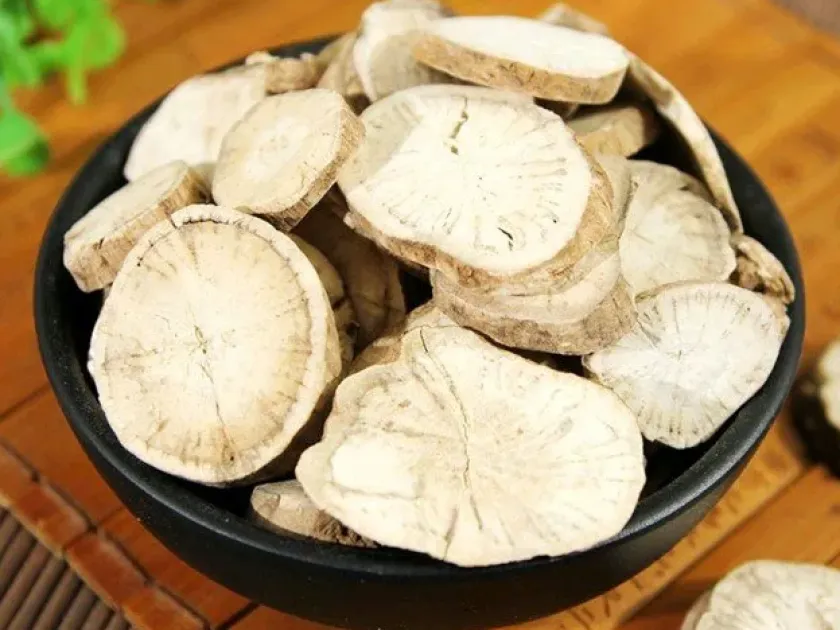
The harvest primarily focuses on the roots of Aristolochia fangchi, which are gathered for their specific pharmacological components. Harvesting is typically carried out after the plant has reached its maturity, usually after 3 to 4 years of growth.
Mechanical digging is used to extract the root systems without causing damage. Once harvested, the roots are washed thoroughly to remove any soil residue and debris accumulated during the growth period.
The processing phase includes drying the roots under controlled temperature conditions to ensure the stability of the plant's active compounds. Proper ventilation during the drying process prevents the development of mold.
After the material is dried, it is graded based on the size and quality of the root segments. High-quality roots are characterized by a specific chemical profile required for industrial extraction processes.
Sustainable harvesting involves replanting in designated areas to maintain soil health and production cycles. By rotating crops and maintaining soil fertility, growers ensure the longevity of their plantations.