
Aristolochia delavayi
Aristolochia delavayi
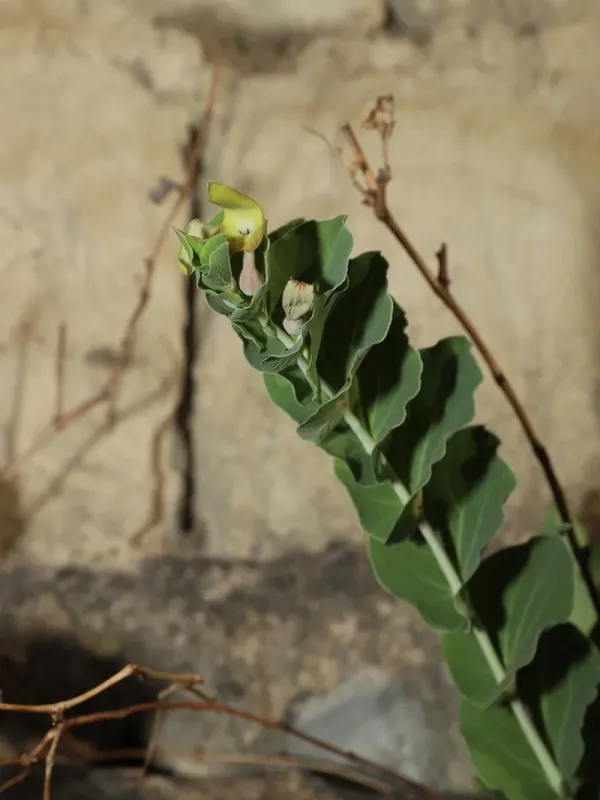
Description
Sowing dates
Propagation of Aristolochia delavayi is primarily done through seeds, which require a cold stratification period of approximately 2 to 3 months to break dormancy. Sowing can be performed in late autumn for natural outdoor stratification or in spring indoors.
When sowing indoors, use a well-draining seed-starting mix. Keep the temperature steady between 20°C and 22°C and ensure the medium remains consistently moist, though not waterlogged, to encourage successful germination.
Once seedlings have developed at least two pairs of true leaves, they should be carefully transplanted into individual pots. Young plants are delicate and require a gentle hand to ensure the root system is not damaged during the process.
Summer cuttings are an alternative method for propagating this species. Using a rooting hormone and placing cuttings in a high-humidity environment or greenhouse improves the success rate of vegetative propagation.
Acclimatization of seedlings to outdoor conditions should be done gradually over several days. Moving them directly from a controlled indoor environment to the garden can result in physiological shock.
Growing requirements
Belonging to the Aristolochiaceae family, Aristolochia delavayi is a deciduous vine native to the mountainous regions of China. Its growth habit makes it an excellent choice for vertical gardening on trellises and pergolas.
The plant thrives in partial shade, as it is naturally adapted to forest understory conditions. Direct, intense sunlight can scorch the foliage, so choosing an appropriate planting site that offers protection from mid-day sun is essential.
A fertile, well-draining soil rich in organic matter is ideal for optimal growth. Amending heavy soils with compost or peat moss can help improve aeration and moisture retention, which the roots prefer.
Watering should be regular during the growing season to support the vine's rapid development. However, drainage must be sufficient to prevent the roots from sitting in stagnant water, which can be detrimental to the plant's health.
Training the vines along a support structure is necessary as the plant matures. Occasional pruning helps maintain the desired size and encourages the growth of dense, healthy foliage throughout the growing season.
Main diseases and pests
Spider mites and aphids are the most common pests that affect Aristolochia delavayi, especially in dry, warm conditions. Keeping the plant hydrated and providing good air circulation can help deter these insects.
Fungal diseases such as powdery mildew or leaf spots may occur if environmental conditions are too humid or if the plant is not properly ventilated. Pruning to open up the canopy can significantly reduce infection risks.
Root rot is a major threat caused by poor drainage or overwatering. Once established, root diseases are difficult to treat, so prevention through proper irrigation management is of the utmost importance.
Integrated pest management strategies, including the use of biological controls or targeted applications of insecticides, should be employed if infestation levels exceed acceptable thresholds.
Regular inspection of the vine's stems and leaves is a fundamental practice for any gardener. Early identification of symptoms allows for prompt intervention, ensuring the long-term health and aesthetic appeal of the plant.